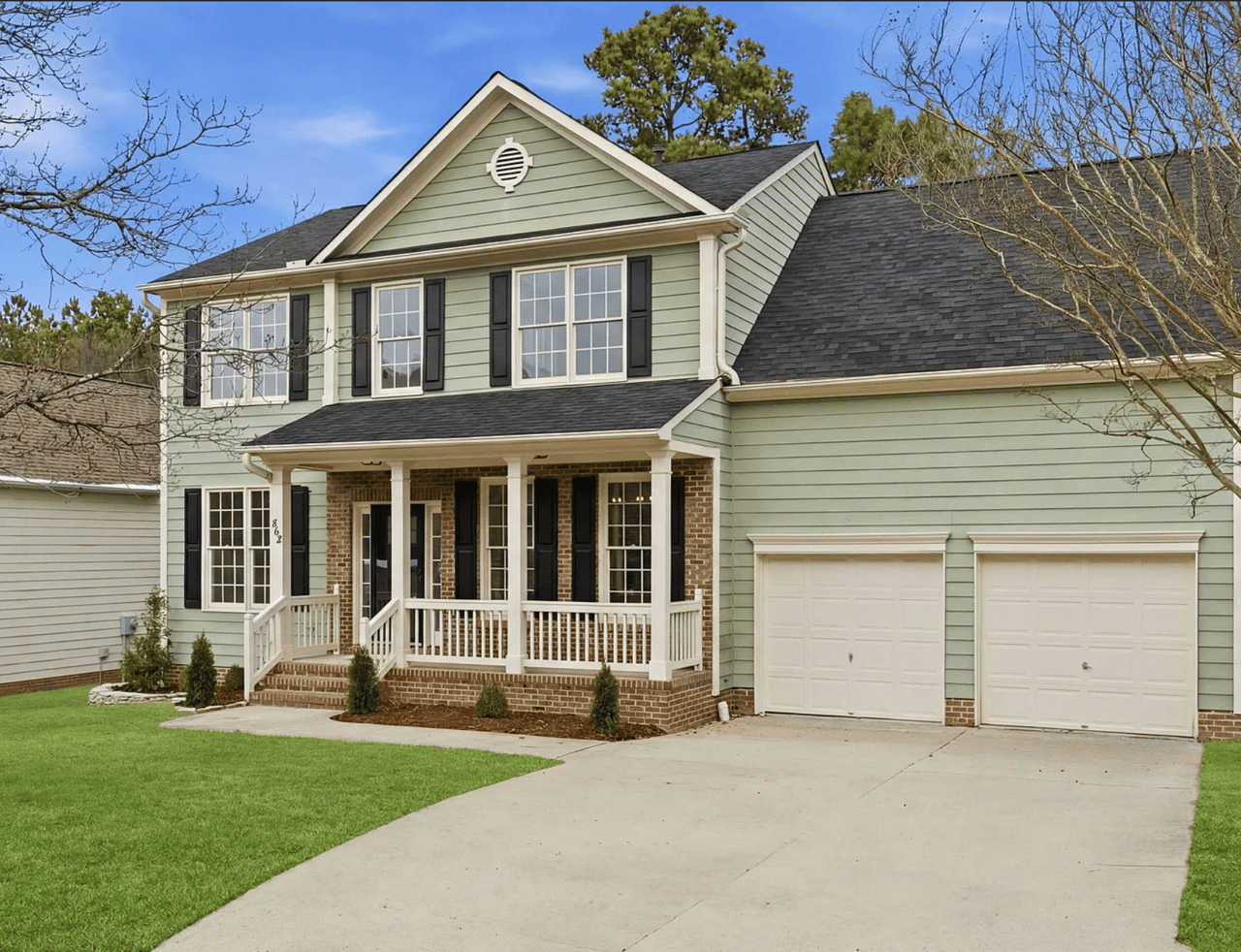
HOW TO BUY RIGHT ON A FLIP
A Real Case Study from Durham, NC
Thirty-three days on market. One negotiated price. A $44,900 difference that became almost his entire profit.
THE SITUATION
Every flip lives or dies on one number, and it isn't the renovation budget. It's the purchase price. An investor can control what he spends on cabinets and flooring, but the only number that actually determines whether a flip makes money or barely breaks even is what he pays for the house on day one. An investor client came to The Coley Group with a clear goal on 806 Clearview Lane in Durham's Hope Valley Farms neighborhood. He wanted to buy below market, renovate, and walk away with about $50,000 in profit, not a vague hope for a good deal, a specific number he needed the math to hit before he'd write an offer.
THE OBSTACLE
The home was listed as-is at $399,900 and had already sat on the market for 33 days. At that price, the numbers didn't work. With an investor client, there's no time to waste chasing a house that can't pencil out before renovation even starts. The renovation cost is relatively fixed once the scope of work is known, and the resale ceiling is set by what the market will actually pay for a finished product like it. That leaves exactly one variable an investor can still control at the negotiating table: the purchase price.
WHAT WE DID
Instead of starting with what the seller was asking, we started at the end and worked backward, the same approach any experienced buyer's agent for real estate investors in Durham should bring to a flip. We pulled comps across Hope Valley Farms and found updated four-bedroom homes selling around $246 a square foot, usually within 10 days, pointing to a resale in the mid $500,000s. Once we backed out his renovation budget and his $50,000 profit target from that resale number, we had the one figure that mattered: the most he could pay and still hit his goal was around $350,000. With 33 days already on the market giving us leverage, we negotiated the purchase to $355,000, almost $44,900 under the original list price. That negotiation is the whole deal. Our client put about $70,000 into the renovation, work that would have looked identical whether he'd paid $355,000 or the full $399,900 asking price. The purchase closed cleanly, with due diligence confirming the renovation scope before the work began, so there were no surprises once the real investment started. The finished home relisted at $540,000 and went pending the same day, closing three weeks later.
THE RESULT
From purchase to sale, the whole project took about four months. The result: roughly $49,558 in profit, landing almost exactly on his original goal. Here's the number that proves the point. If he had paid the original $399,900 list price instead of negotiating, his profit after that same $70,000 renovation and the same $540,000 resale would have been about $4,500. Same house, same renovation, same buyer on the other end, and a $44,900 difference in the purchase price was the difference between a flip that barely paid for his time and one that hit his goal.
When asked why he uses an agent on investment deals instead of going direct to sellers, our client pointed to two things: scalability and time freedom, since he's already managing contractors and job sites all day and can't also field seller calls and negotiate; and the buffer an agent provides between buyer and seller, since direct buyer-to-decision-maker negotiations rarely go well.
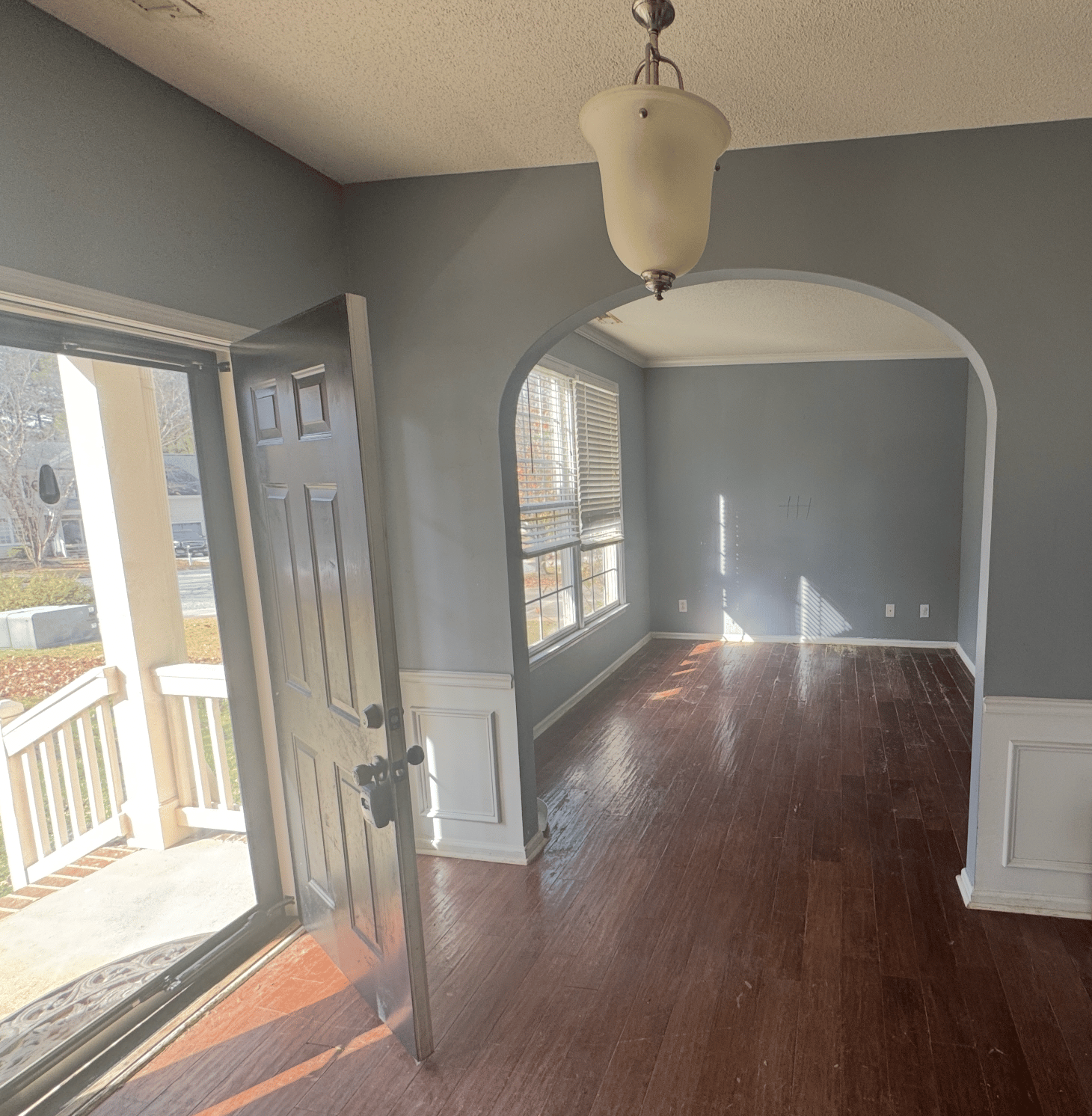
BEFORE:
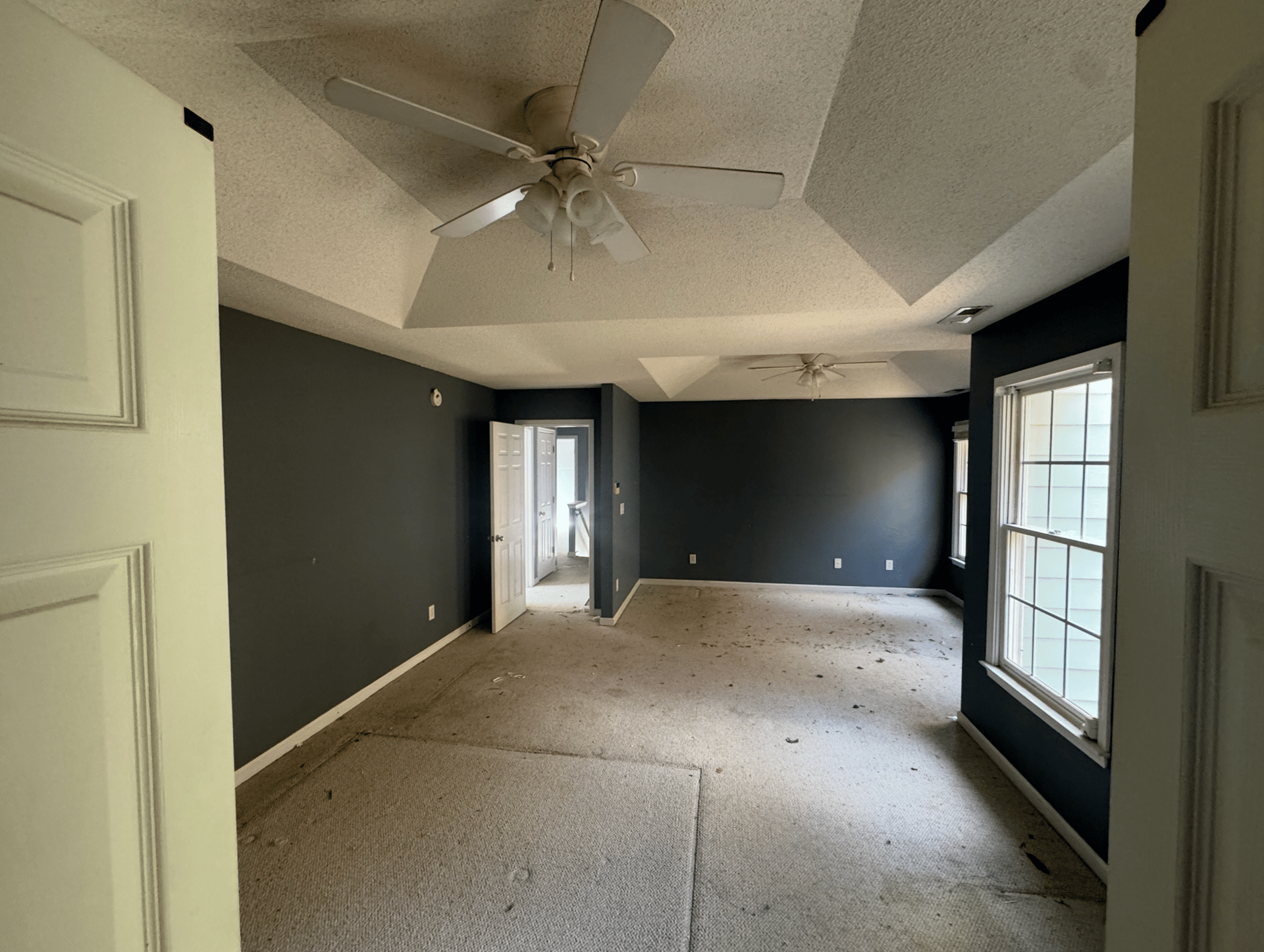
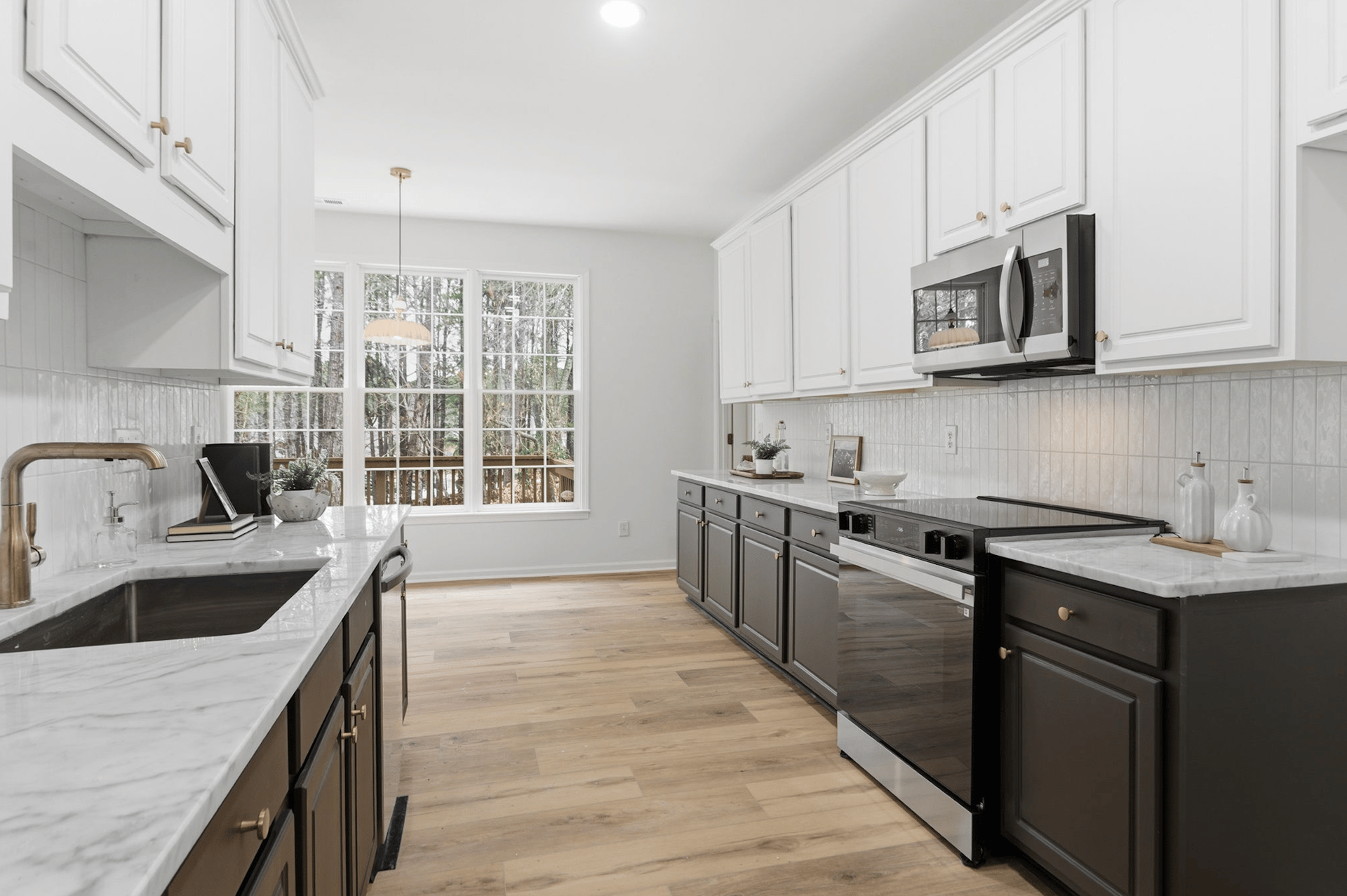
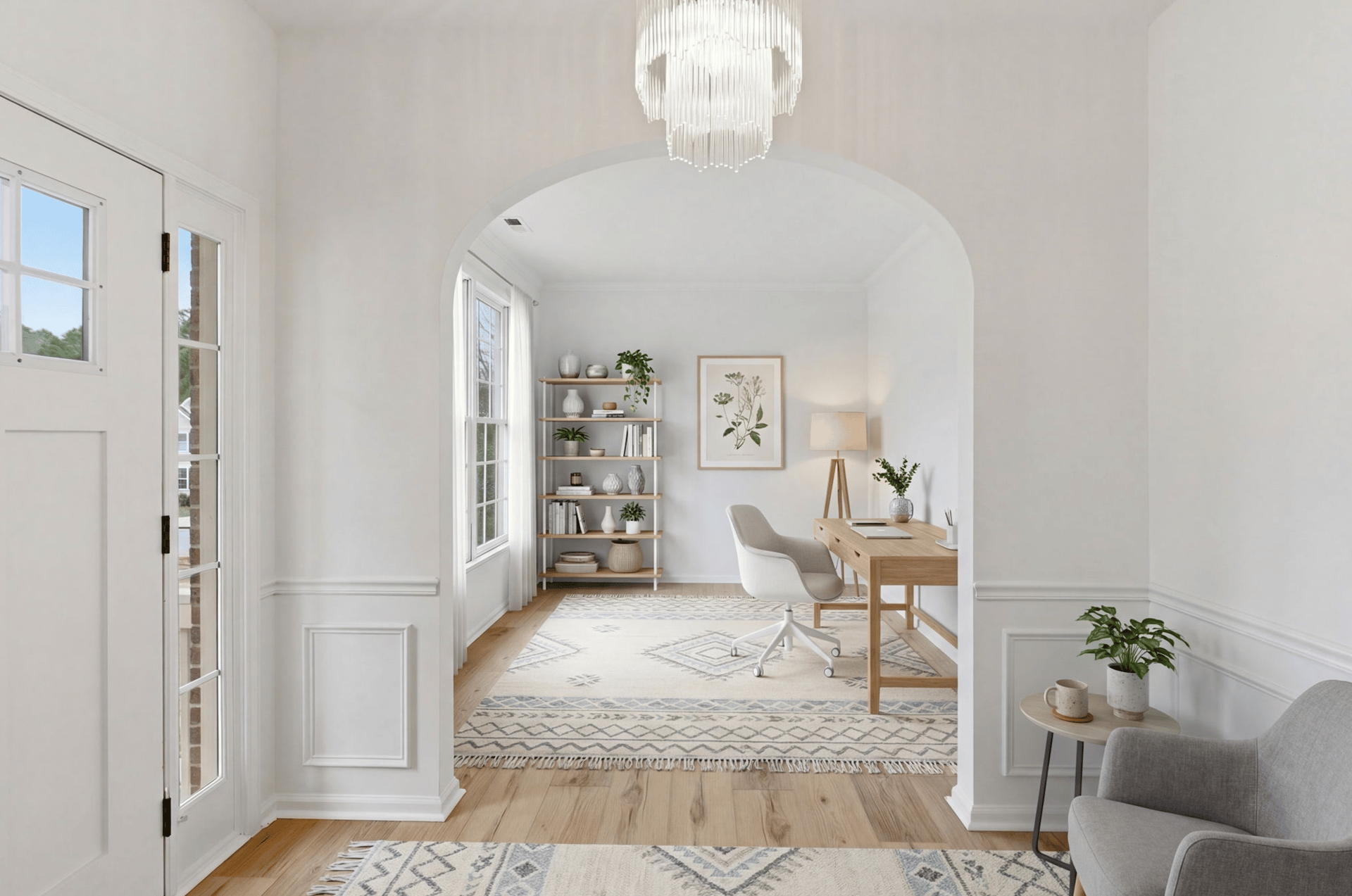
AFTER:
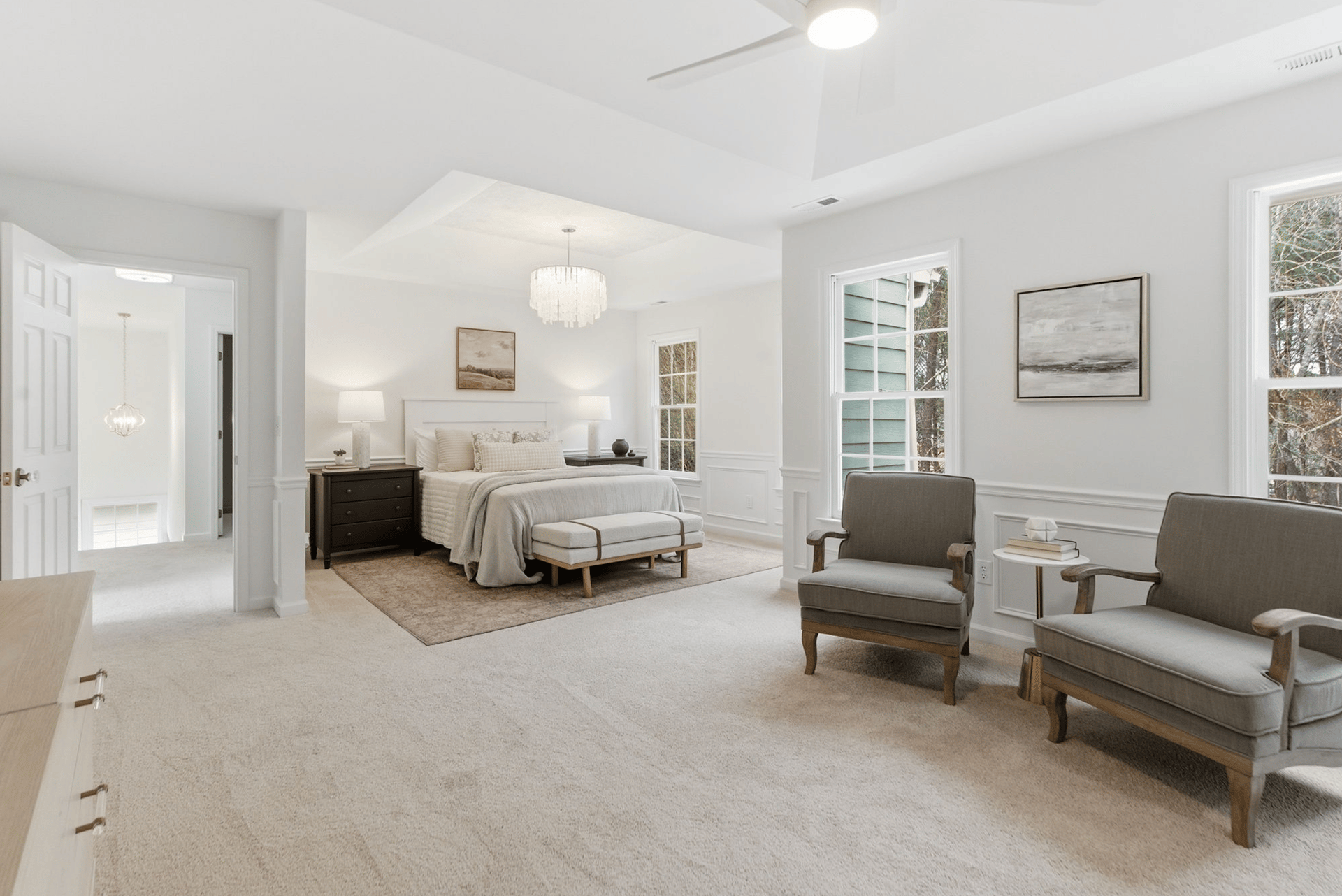
BEFORE:
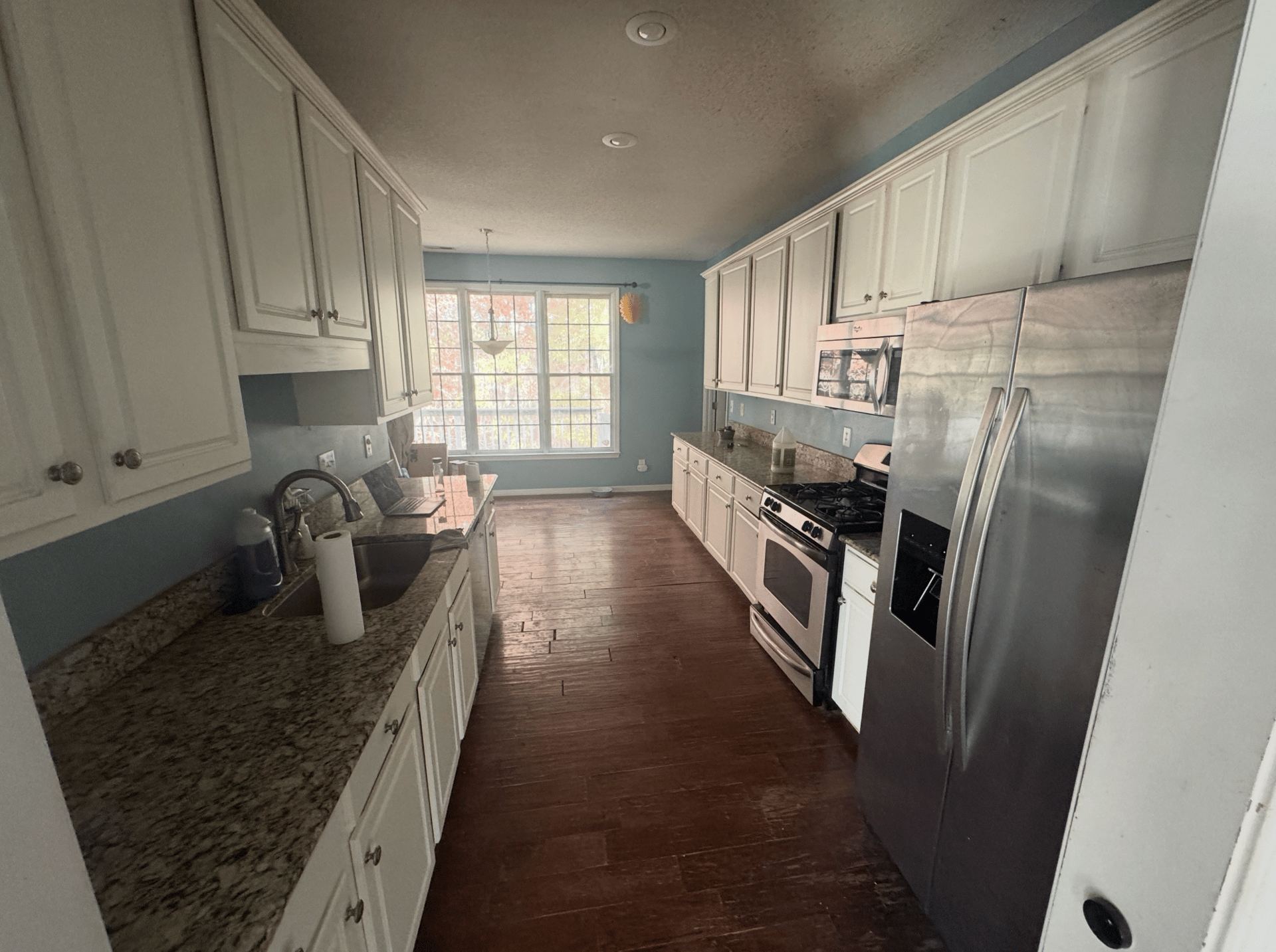
AFTER:
BEFORE:
AFTER:
BY THE NUMBERS
List price (as-is): $399,900
Days on market before offer: 33
Negotiated purchase price: $355,000
Under list price: $44,900
Renovation investment: $70,000
Resale price: $540,000
Time to pending at resale: same day
Purchase to sale timeline: about 4 months
Profit: approximately $49,558
Profit if purchased at full list price: approximately $4,500
WHAT THIS MEANS FOR YOU
If you're buying a flip or a rental property in Durham or anywhere in the Triangle, the lesson is the same: price the exit first, then work backward to the number you can afford to pay, and don't write the offer until that number is locked. A buyer's agent who understands investment math isn't a cost center on a deal like this, the negotiated difference in the purchase price can be the majority of your entire profit. The renovation is where a flip gets its finish. The purchase price is where it gets its profit.
FREQUENTLY ASKED QUESTIONS
Do real estate investors really need a buyer's agent, or does it just cut into my margin?
A good buyer's agent should pay for themselves many times over on an investment purchase. The value isn't in opening doors, it's in knowing what a property will actually resell for, pulling the comps to prove it, and negotiating a purchase price that makes the whole project profitable. On this Durham flip, the negotiated purchase price accounted for nearly all of the investor's final profit. Buyer-agent compensation is also negotiable and, in many deals, still covered by the seller as part of the offer, so it's worth asking about up front rather than assuming it comes out of your returns.
How do you tell if a flip or rental purchase actually pencils out before making an offer?
Start at the end, not the beginning. Pull recent comps for updated, similarly sized homes in the target neighborhood to estimate a realistic resale price. Subtract your renovation budget and your required profit from that number, and what's left is the most you can pay for the house. If the seller's asking price is above that number, the deal doesn't work yet, and either the price needs to move or you need to walk away.
How do you negotiate a below-list purchase price on an investment property?
Time on market is leverage. A home that has already sat for weeks, like this one at 33 days, signals the seller may be more open to a price conversation than a fresh listing would be. An experienced buyer's agent uses that data, along with resale comps, to make a case for a lower number rather than simply asking for a discount.
What should an investor look for in comps when flipping a home in Durham, NC?
Look at recently sold, updated homes of a similar size and bedroom count in the same neighborhood, not the whole city, and pay attention to price per square foot and how quickly they sold. In Hope Valley Farms, updated four-bedroom homes were selling around $246 a square foot and typically going under contract within 10 days, which set the realistic resale ceiling for this project.
Can a buyer's agent help with off-market or stale-listing opportunities for investors?
Yes. Some of the best investment opportunities are homes that have been sitting on the market long enough that the seller is motivated but the listing hasn't attracted the right buyer yet. A buyer's agent who tracks days-on-market data and knows which neighborhoods are undervalued can bring these opportunities to an investor before the price catches up to reality.
What's the biggest mistake new real estate investors make when buying a flip?
Falling in love with the renovation plan before the purchase math is settled. The renovation budget is usually the easiest number to predict. The purchase price is where deals actually get made or lost, and it's the one variable still on the table at the negotiating table. Investors who skip straight to design decisions before locking in a target purchase price are the ones most likely to end up with a flip that barely breaks even.
The Coley Group | Compass
919-980-9607