A pre-listing home inspection is a full home inspection ordered by the seller before the property goes on the market. In the Triangle, where deals can fall apart during the due diligence period, sellers who inspect first tend to reach the closing table with fewer surprises, fewer concessions, and more control over the outcome. Whether it is worth the upfront cost depends on the condition of the home and how you weigh certainty against convenience.
What does a pre-listing inspection actually involve?
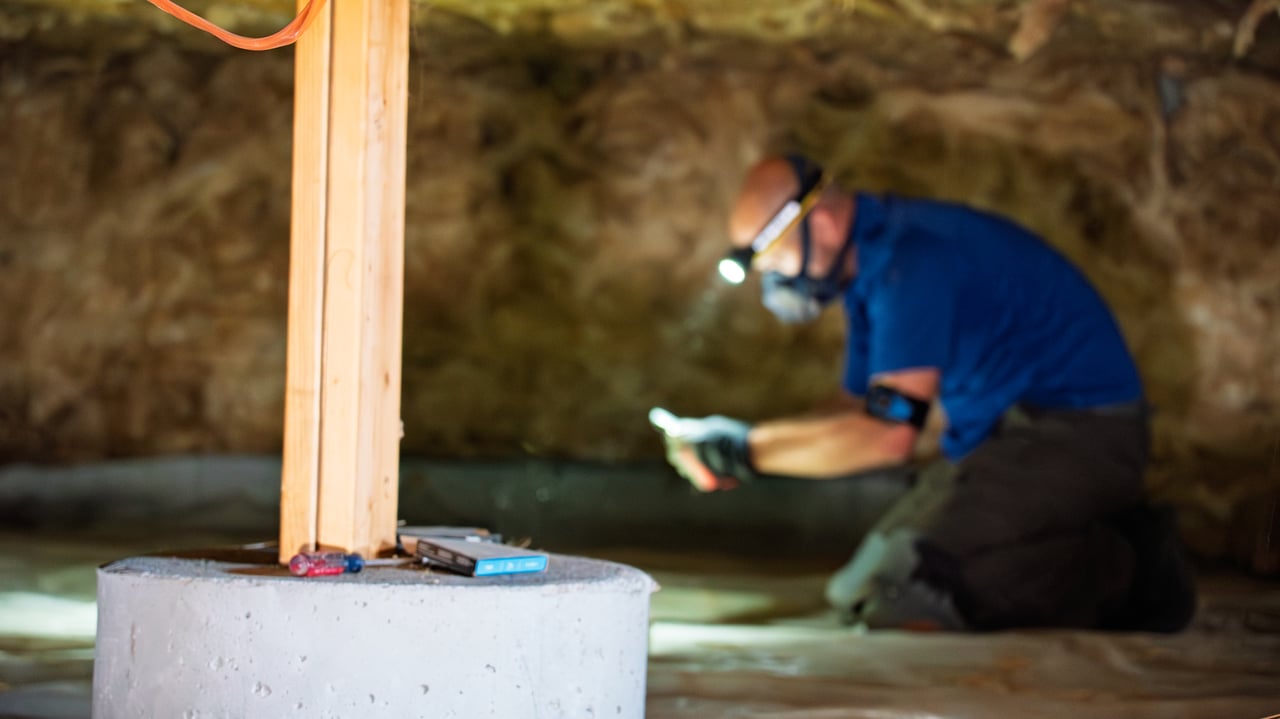
A licensed home inspector walks the property from foundation to roof before any buyer ever sets foot inside. They document mechanical systems, the roof, plumbing, electrical, structural elements, and anything else that a buyer's inspector would flag. The report is yours. You decide what to repair, what to disclose, and what to price around.
The inspection itself takes two to four hours for most Triangle homes. The report arrives within 24 to 48 hours. From there, you have three choices: repair the issues, adjust your list price to account for them, or disclose them and let the market respond. All three are legitimate strategies. What changes is that you are making the decision, not reacting to a buyer's inspector at the worst possible moment.
Why do Triangle deals fall apart at inspection?
Due diligence in North Carolina is a defined period during which the buyer can walk away for any reason and lose only their due diligence fee. The inspection happens inside that window. When a buyer's inspector finds something significant, the buyer has real leverage: renegotiate, request repairs, or leave.
Deals fall apart at inspection for predictable reasons. Deferred maintenance that the seller was not aware of. Older systems that work but look alarming on paper. HVAC units, roofs, and crawl spaces that have not been serviced in years. In a market where buyers have more options than they did in 2021 and 2022, the threshold for walking away is lower. A buyer who paid over asking in a competitive market is far less tolerant of a $15,000 repair list than a buyer who had negotiating room from the start.
What does a pre-listing inspection cost in the Triangle?
For most single-family homes in Wake, Durham, and Chatham counties, a standard pre-listing inspection runs $400 to $600. Larger homes, homes with crawl spaces, or properties with additional structures can run higher. Radon testing, wood-destroying insect reports, and sewer scope inspections are typically separate and optional, but each adds meaningful information at a relatively low cost.
What does a seller gain from inspecting first?
Control is the short answer. The longer answer is that control at the right moment in a real estate sale is worth real money.
When a buyer's inspector finds a problem, the seller is negotiating from a defensive position, usually under time pressure, often after the seller has already mentally moved on. Concessions requested during due diligence tend to be higher than the actual cost of the repair, because the buyer's number includes their inconvenience, their uncertainty, and the leverage the contract gives them.
When a seller finds the same problem before listing, they can get a contractor quote, make the repair for the actual cost, and present a clean inspection report to every buyer who walks through. The conversation shifts from "what is wrong with this house" to "this house has been maintained and inspected." That shift affects how buyers perceive value, how they write offers, and how willing they are to stay in the deal when something minor comes up later.
Does a pre-listing inspection affect days on market?
It can. Homes that enter the market with a clean or disclosed-and-addressed inspection report tend to move through due diligence with less friction. Buyers who know what they are buying are less likely to use the inspection period as a renegotiation tool, and sellers who have already addressed known issues have fewer reasons to make concessions.
The Coley Group's Compass 3-Phase Marketing approach builds demand before a home goes live. A pre-listing inspection fits naturally into that sequence: complete the inspection during the Private Exclusive or Coming Soon phase, address anything material, and enter the public market with a report ready to share. Buyers who have been watching the Coming Soon listing and arrive on day one are not starting from zero. They are ready to move, and a clean inspection report removes one of the most common reasons they do not.
TCG homes go under contract in an average of 29 days, against a regional average of 54. Part of that comes from pricing strategy. Part comes from marketing. And part comes from reducing the friction that causes deals to stall or fall apart during due diligence.
Should every seller do a pre-listing inspection?
Not every seller needs one, but most benefit from one. Here is how to think about it.
A pre-listing inspection makes the most sense when the home is older than 15 years, when systems like the HVAC, roof, or water heater are approaching the end of their expected life, when the seller has not done major maintenance recently, or when the seller wants to price the home competitively and cannot afford a surprise concession mid-contract.
It makes less sense when the home is newer construction with a recent builder warranty, when the seller has recently completed a full renovation with permitted work, or when the seller has already had a thorough inspection as part of a recent refinance and the systems are documented.
For most Triangle sellers listing a home that is more than a decade old, the inspection cost is small relative to the information it provides and the negotiating position it creates.
What should a seller do with the inspection report?
This is where the decision gets nuanced, and where working with an experienced advisor matters.
Some repairs are worth making before listing. Small items that read as deferred maintenance on a report, like a missing GFCI outlet, a dryer vent that needs cleaning, or a minor plumbing drip, cost very little to fix and carry disproportionate weight in how buyers perceive the overall condition of the home.
Other items are better disclosed and priced around. A 15-year-old HVAC that is functioning well but near end of life is not necessarily worth replacing before listing. It may be worth disclosing, pricing to reflect, and letting buyers factor it in. A buyer who knows about the system going in has no grounds to renegotiate over it later.
The worst outcome is discovering a major issue during the buyer's due diligence period with no plan, no contractor lined up, and a contract deadline approaching. A pre-listing inspection eliminates that scenario entirely.
Our team can walk you through which repairs make financial sense before listing and which ones are better handled through pricing or disclosure. That conversation is part of every listing strategy session we do.
How does this fit into TCG's listing process?
The Coley Group begins every seller relationship with a home valuation and a strategy session. For sellers who want to understand what a pre-listing inspection might surface before we set a price, we can coordinate that process before the listing goes live.
We work with trusted inspectors in the Triangle and can help sellers understand the report, prioritize what to address, and connect with contractors for repairs. We have also helped sellers use Compass Concierge, which fronts the cost of pre-sale improvements at no upfront cost, to cover repairs identified in a pre-listing inspection.
If you are preparing to sell with The Coley Group, a pre-listing inspection is one of the first conversations we will have. It is not required. But for most homes in the Triangle, it is one of the better investments a seller can make before the first showing.
When you are ready to talk through your specific situation, schedule a call with our team. We will tell you honestly whether an inspection makes sense for your home, what it is likely to find, and how to use that information to your advantage.
Frequently Asked Questions About Pre-Listing Home Inspections in the Triangle
Is a pre-listing inspection required to sell a home in North Carolina?
No. North Carolina does not require sellers to conduct a pre-listing inspection. Sellers are required to complete a Residential Property Disclosure form, but the inspection itself is optional. Many sellers choose to do one because it reduces the risk of a deal falling apart during the buyer's due diligence period.
Can I share my pre-listing inspection report with buyers?
Yes, and doing so is generally to your advantage. Sharing the report signals transparency, reduces the likelihood that a buyer's inspector will find something unexpected, and gives buyers confidence that the home has been well maintained. Your agent can advise on how to present it.
Will a pre-listing inspection hurt my sale if it finds problems?
Not necessarily. Finding problems before listing gives you time to fix them, price around them, or disclose them on your own terms. The alternative is finding out about the same problems during the buyer's due diligence period, when you have less time and less leverage. Most experienced sellers prefer to know.
How long does a pre-listing inspection take in the Triangle?
Most single-family homes take two to four hours. Larger homes or homes with multiple structures, crawl spaces, or older systems may take longer. The written report typically arrives within 24 to 48 hours of the inspection.
What is the difference between a pre-listing inspection and a buyer's inspection?
Both are performed by a licensed home inspector and cover the same systems and components. The difference is who orders it and when. A pre-listing inspection is ordered by the seller before the home goes on the market. A buyer's inspection is ordered by the buyer during the due diligence period. Either can uncover the same issues. The pre-listing inspection gives the seller time to respond on their own terms.
How do I find a reliable home inspector in the Triangle?
Ask your agent for a referral. The Coley Group works with several inspectors we trust in Wake, Durham, and Chatham counties. You can also review profiles for Back to Back Home Inspections and Focused Property Inspections through our Best of Raleigh partner directory.
Written by Gretchen Coley
Founder and CEO, The Coley Group at Compass
Gretchen has 25+ years of experience selling homes across the Triangle, specializing in luxury residential, new construction, and executive relocations. She leads a team of advisors across Wake, Durham, and Chatham counties. To connect with Gretchen or a TCG advisor who specializes in your area, call (919) 283-5237 or email [email protected]. Schedule a call whenever you are ready.