Buy With Us
Explore Raleigh
Success Stories
Median Home Price (2026): ~$450,000–$480,000 (condos; Redfin data)
Housing Type: Primarily condos, lofts, high-rise residences
Walk Score: High — one of Raleigh's most walkable areas
Best For: Young professionals, empty nesters, urban lifestyle buyers, investors
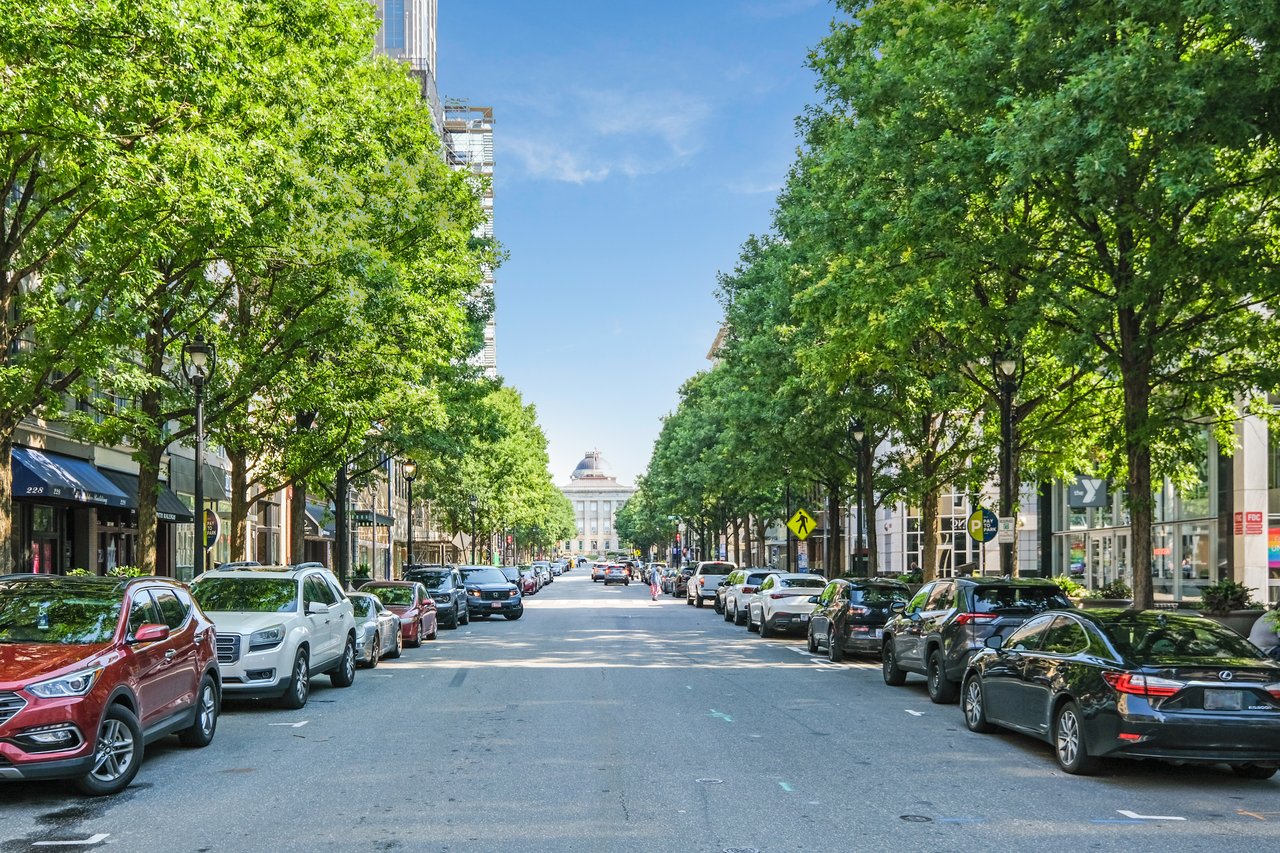
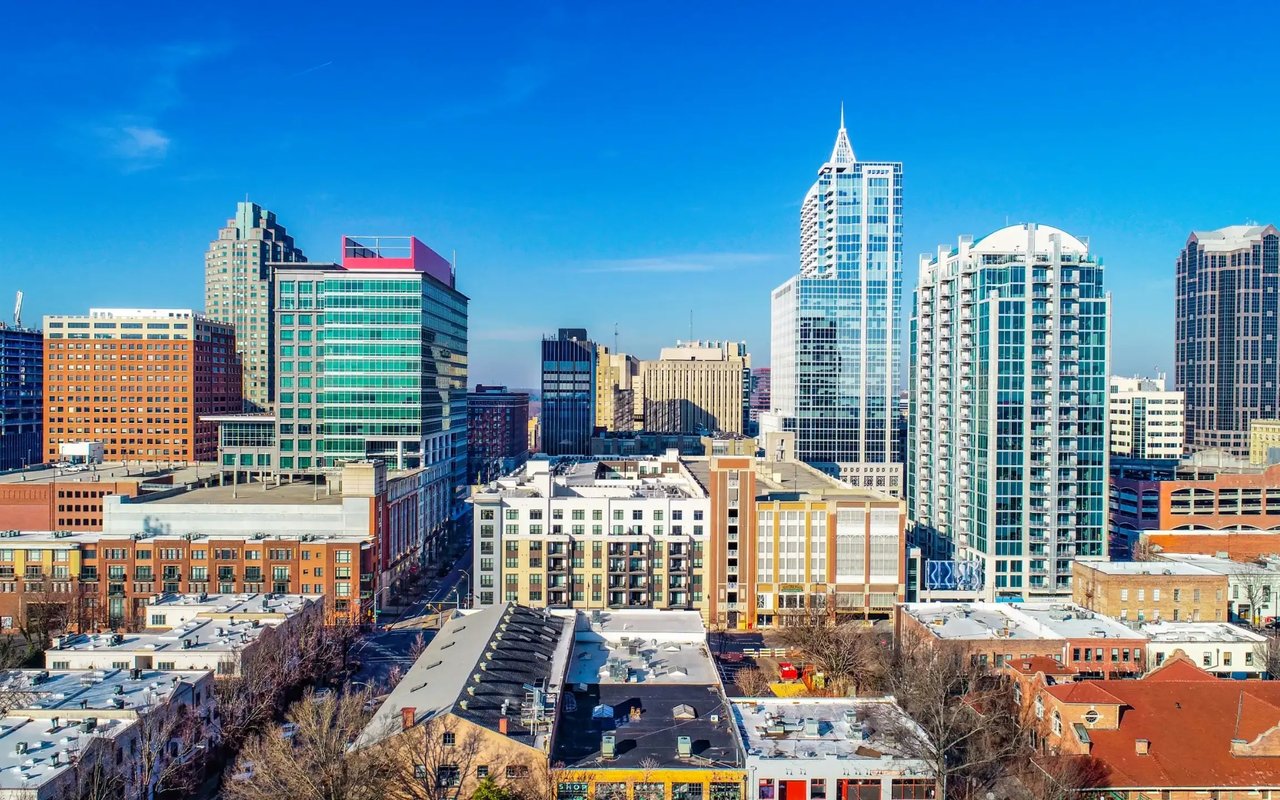
Downtown Raleigh's story over the past two decades is one of the most genuine urban revitalizations in the American South. What was once a government district that emptied after 5 p.m. is now a legitimate 18-hour neighborhood — dense with condos, restaurants, nightlife, and cultural institutions that rival cities several times Raleigh's size. The transformation reflects strategic public investment, a wave of private development, and residents who wanted city living without the cost of New York or Washington.
The housing market is almost entirely vertical — condos, lofts, and townhomes ranging from early-2000s construction to brand-new luxury towers. The Warehouse District offers industrial-chic loft conversions; the Glenwood South corridor hosts the city's newest luxury condo towers with rooftop terraces, concierge services, and panoramic city views. Dix Park — 308 acres being transformed into a world-class urban park — will reshape downtown's southern edge for generations.
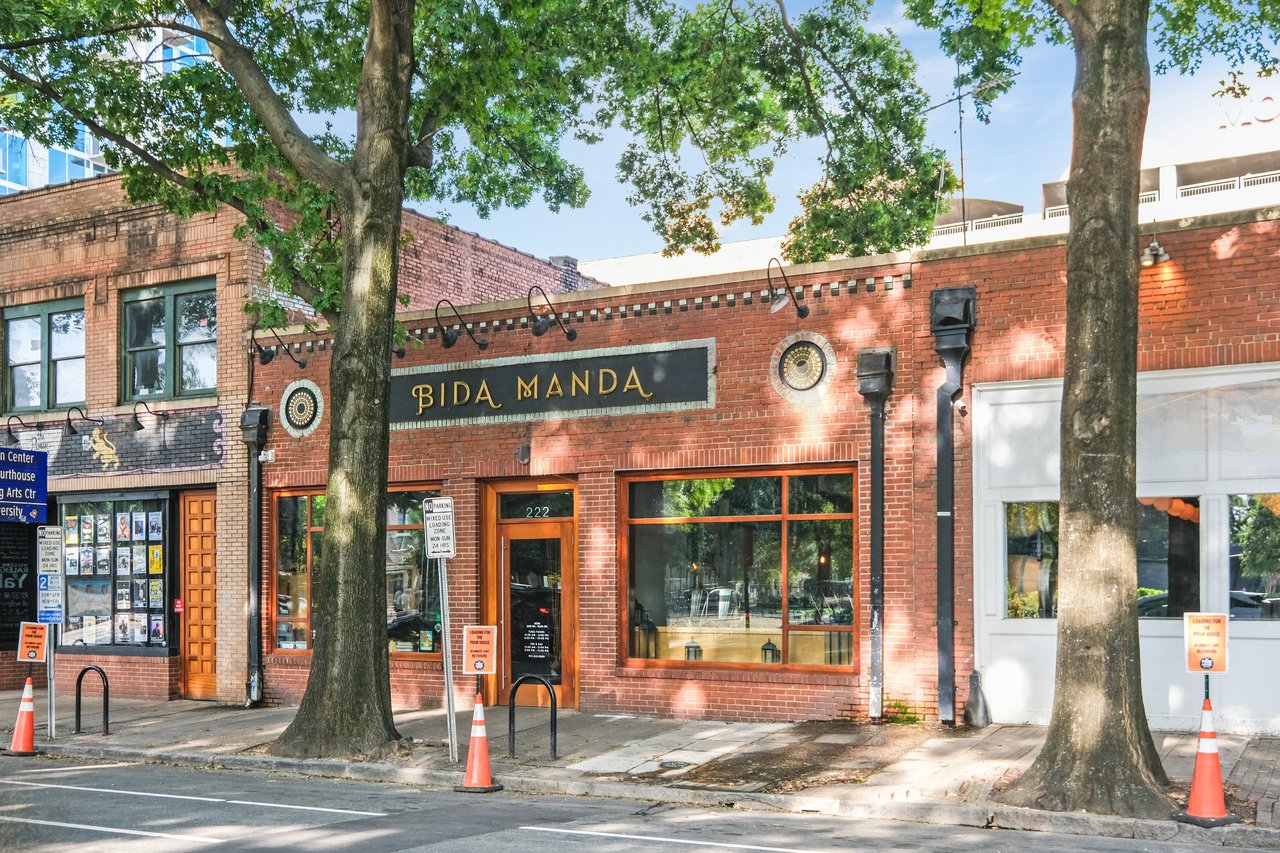
Bida Manda — Award-winning Laotian cuisine; James Beard recognition
Crawford and Son — Chef-driven New American on Person Street
Raleigh Beer Garden — One of the world's largest craft beer selections
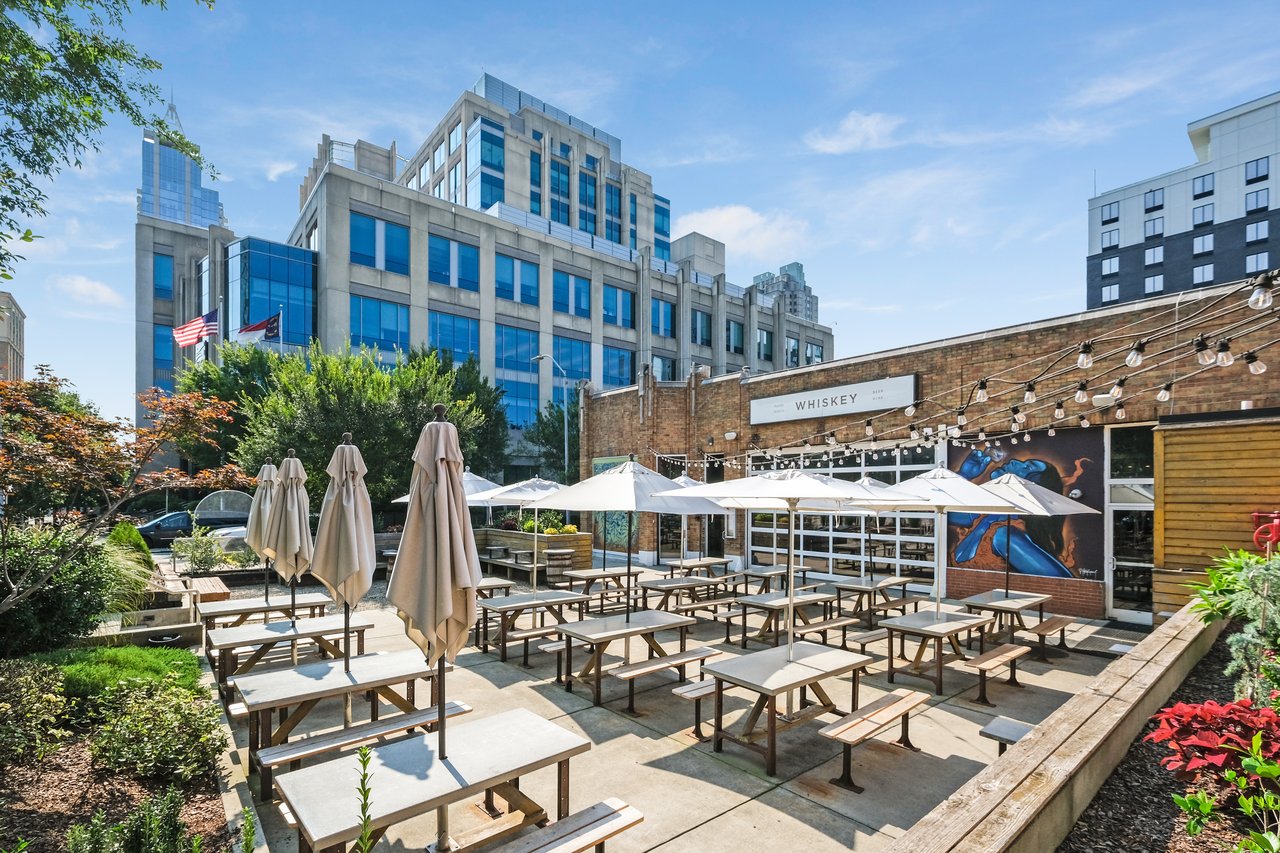
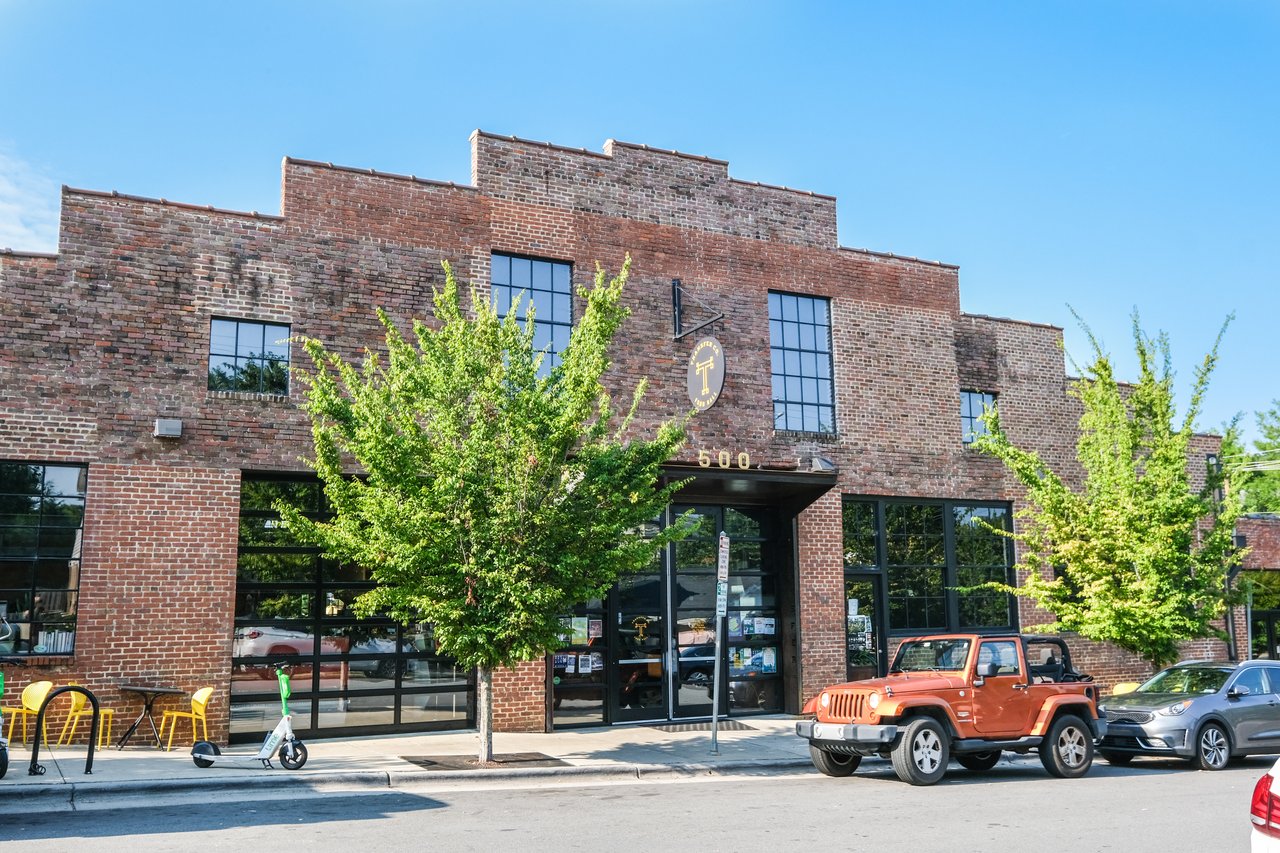
Trophy Brewing & Pizza — Warehouse District anchor
Beasley's Chicken + Honey — Fried chicken and craft cocktails on Glenwood South
NC Museum of Natural Sciences — Largest in the Southeast; free admission
NC Museum of History — Free admission; world-class rotating exhibitions
Meymandi Concert Hall — Home of the NC Symphony
CAM Raleigh — Contemporary art museum in the Warehouse District
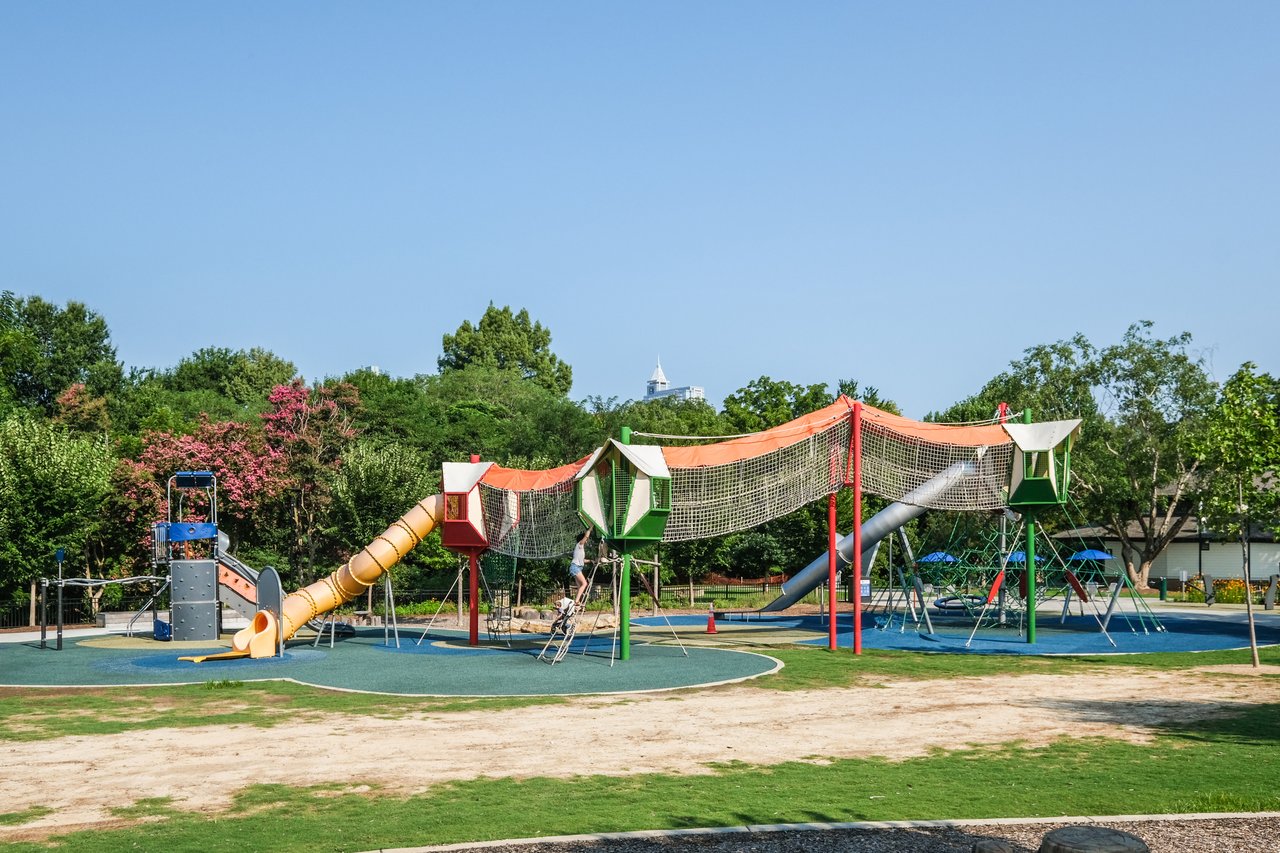
Dix Park — 308-acre transformational urban park in development
Q: Is Downtown Raleigh a good place to live?
A: Downtown Raleigh is an excellent choice for buyers who want walkable urban living, immediate access to Raleigh's best restaurants and cultural institutions, and a low-maintenance condo lifestyle. It is best suited to young professionals, empty nesters, and government/university-affiliated workers who commute within the downtown core. The trade-off vs. suburban Raleigh is smaller square footage, HOA fees, and limited parking.
Q: What type of housing is available in Downtown Raleigh?
A: Downtown Raleigh's housing stock is primarily condos and lofts in mid-rise and high-rise buildings. Options range from studios and one-bedrooms in older buildings ($250,000–$350,000) to luxury penthouse units in newer towers ($800,000–$1.5M+). The Warehouse District specializes in industrial-style loft conversions with exposed brick, high ceilings, and open floor plans.
Q: Is Downtown Raleigh safe?
A: Downtown Raleigh, like any urban core, has areas of higher activity and requires the standard urban awareness. The neighborhoods immediately surrounding downtown — Glenwood South, the Warehouse District, and Moore Square — are active, well-lit, and populated throughout the evening. Ongoing investment in public space, lighting, and community programming has substantially improved the downtown environment over the past decade.
Q: What is the nightlife like in Downtown Raleigh?
A: Downtown Raleigh's nightlife is centered on Glenwood South — a dense corridor of bars, clubs, and restaurants that activates every night of the week. The Warehouse District has a distinct, more creative bar scene. The two corridors together give Downtown Raleigh some of the most varied nightlife of any mid-size American city.
Explore the area
20,656 people live in Downtown Raleigh, where the median age is 34 and the average individual income is $55,382. Data provided by the U.S. Census Bureau.
Total Population
Median Age
Population Density
Average individual Income
There's plenty to do around Downtown Raleigh, including shopping, dining, nightlife, parks, and more. Data provided by Walk Score and Yelp.
Explore popular things to do in the area, including North Carolina Beer and Wine, Firestone Restaurant, and The Bittery .
| Name | Category | Distance | Reviews |
Ratings by
Yelp
|
|---|---|---|---|---|
| Dining | 0.19 miles | 0 reviews | 0/5 stars | |
| Dining | 0.4 miles | 0 reviews | 0/5 stars | |
| Dining · $$ | 0.4 miles | 27 reviews | 4.5/5 stars | |
| Dining | 0.47 miles | 0 reviews | 0/5 stars | |
| Dining | 0.47 miles | 1 review | 5/5 stars | |
| Dining | 0.47 miles | 1 review | 5/5 stars | |
| Dining · $ | 0.52 miles | 30 reviews | 2.1/5 stars | |
| Dining | 0.55 miles | 0 reviews | 0/5 stars | |
| Shopping | 0.38 miles | 15 reviews | 4.1/5 stars | |
| Shopping | 0.47 miles | 1 review | 5/5 stars | |
| Shopping | 0.47 miles | 0 reviews | 0/5 stars | |
| Shopping | 0.51 miles | 1 review | 5/5 stars | |
| Active | 0.39 miles | 0 reviews | 0/5 stars | |
| Active | 0.47 miles | 0 reviews | 0/5 stars | |
| Active | 0.54 miles | 32 reviews | 4.4/5 stars | |
| Nightlife | 0.42 miles | 75 reviews | 4/5 stars | |
| Nightlife | 0.42 miles | 8 reviews | 4.5/5 stars | |
| Nightlife | 0.44 miles | 0 reviews | 0/5 stars | |
| Nightlife | 0.5 miles | 10 reviews | 4.6/5 stars | |
| Beauty | 0.17 miles | 0 reviews | 0/5 stars | |
| Beauty | 0.49 miles | 0 reviews | 0/5 stars | |
| Beauty | 0.51 miles | 7 reviews | 4.3/5 stars | |
| Beauty | 0.52 miles | 6 reviews | 5/5 stars | |
| Beauty | 0.55 miles | 0 reviews | 0/5 stars | |
|
|
||||
|
|
||||
|
|
||||
|
|
||||
|
|
||||
|
|
Downtown Raleigh has 9,472 households, with an average household size of 2. Data provided by the U.S. Census Bureau. Here’s what the people living in Downtown Raleigh do for work — and how long it takes them to get there. Data provided by the U.S. Census Bureau. 20,656 people call Downtown Raleigh home. The population density is 6,630 and the largest age group is Data provided by the U.S. Census Bureau.
Total Population
Population Density Population Density This is the number of people per square mile in a neighborhood.
Median Age
Men vs Women
Population by Age Group
0-9 Years
10-17 Years
18-24 Years
25-64 Years
65-74 Years
75+ Years
Education Level
Total Households
Average Household Size
Average individual Income
Households with Children
With Children:
Without Children:
Blue vs White Collar Workers
Blue Collar:
White Collar: