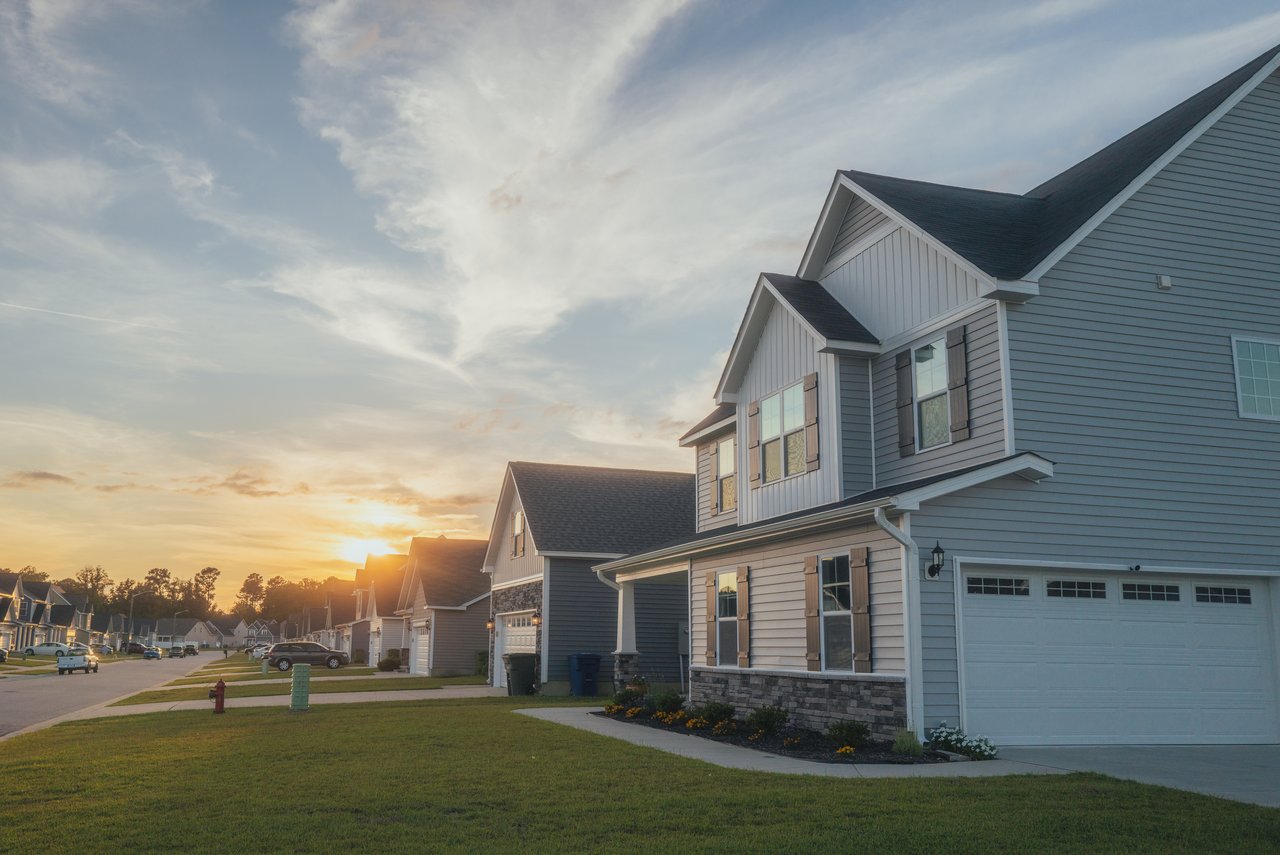
Raleigh's housing stock is newer than almost anywhere else in the United States. According to Axios Raleigh, the median home sold here last year was just nine years old, placing the Triangle fifth youngest nationally. Forty-one percent of closed sales were homes under five years old. For buyers weighing maintenance risk, modernization costs, and the new-versus-resale decision, that single data point changes the calculus in ways that do not apply in most other markets.
What does it mean that 41% of Raleigh sales are homes under five years old?
In most major metros, buyers who want a newer home pay a meaningful premium to get it. The inventory simply does not exist at scale. Raleigh is different. The region has been building at a pace that few Sun Belt markets have matched, and the result is a resale market where a significant share of available homes were built within the last five years. Buyers who might expect to choose between a dated resale and a new-construction premium are often finding a third option: a lightly used home with modern systems, open floor plans, and none of the customization wait time that new construction requires.
That matters because the traditional buyer's calculus assumes older stock in the resale pool. When the median resale is nine years old, the gap between new and used narrows considerably, and the decision becomes less about age and more about specifics: lot size, location, finishes, and what the seller has already done to the property.
Does a younger housing stock actually reduce maintenance risk for buyers?
Generally, yes, though the answer is more precise than that. A home built in the last decade is likely to have a roof, HVAC system, water heater, and major appliances that are well within their expected service life. The deferred maintenance that makes older homes expensive to own, and sometimes expensive to insure, is largely absent. For buyers who are stretching to reach their price point, that distinction is real money. A roof replacement in the Triangle runs several thousand dollars. An HVAC system is similar. Buying a home where both are eight years old rather than twenty-two years old is not a cosmetic difference.
That said, newer does not mean maintenance-free. Homes built during the construction surge of 2020 through 2023 were completed during a period of supply chain pressure and labor shortages. Some buyers of that vintage have found workmanship issues that a thorough home inspection would have caught. The age of a home is one input. The quality of the build and the diligence of the inspection are equally important.
For any home, new or resale, a professional inspection is non-negotiable. Our partners at Back to Back Home Inspections and Focused Property Inspections work across the Triangle and know what to look for in homes of every age and builder tier.
How does Raleigh's new construction landscape shape the resale market?
The volume of new construction in the Triangle over the last decade has done something unusual to the resale market: it has set a design standard that older homes are measured against. Open-concept layouts, primary suites with walk-in closets, dedicated laundry rooms, and two-car garages are now baseline expectations for many buyers. In a market where 41% of resales are under five years old, those features are common in the resale pool, not just in new builds.
That dynamic cuts both ways. Sellers of older homes, particularly those built before 2000, are competing against resale inventory that already looks and functions like new construction. Buyers have options. The negotiating room that exists in the current Triangle market makes this an interesting moment to consider homes that might need cosmetic updates but carry structural and mechanical advantages: good bones, established lots, mature landscaping, and locations inside neighborhoods that are already built out.
Cary, Apex, and Holly Springs have seen some of the heaviest new construction activity in the region. Wake Forest and Fuquay-Varina have added substantial inventory as well. Inside the Beltline, the story is different: infill construction exists, but the dominant stock is older, and buyers there are generally making a different trade, accepting an older home for proximity to downtown, walkability, and neighborhoods like Five Points, Hayes Barton, Country Club Hills, and Village District.
Should Triangle buyers still consider new construction, or does the resale market make it unnecessary?
New construction still makes sense for buyers with specific requirements: a particular floor plan, a home warranty, the ability to select finishes, or a location in a new development that does not yet have resale inventory. Builders like Homes by Dickerson, Loyd Builders, and Rufty Homes are producing homes across multiple price points in the Triangle, and working with a buyer's agent who understands builder contracts is important in any new construction purchase.
What Raleigh's young housing stock means is that new construction is no longer the only path to a modern home. A buyer who wants updated systems, contemporary design, and low near-term maintenance costs can often find that in the resale market here, at a price point that may be more negotiable than a builder's base price. The decision is worth making deliberately rather than by assumption.
Our post on buying new construction in Raleigh walks through the trade-offs in detail if you are weighing both paths.
What should buyers know about off-market inventory in a market this active?
One of the most important things a buyer can understand about the Raleigh market is that a significant share of homes sell before they are ever publicly listed. Roughly one in five homes in Raleigh sells before it reaches the public market. That inventory, whether it is a newer build in North Hills, a custom home in North Ridge, or a lightly used home in Wendell Falls, is only visible to buyers whose agent has access to it.
Through Compass Private Exclusives and the Coming Soon program, we provide access to homes before they hit the MLS. That access is part of what it means to work with a team that is embedded in this market. You can search off-market and private exclusive listings directly on our site, and our advisors are actively working a private seller database of more than 30,000 contacts.
For buyers who want to understand the full picture of what is available, not just what appears on Zillow, that access is the difference.
How do we help buyers navigate the new-versus-resale decision in Raleigh?
We do not have a preference between new and resale. We have a preference for the right home for the right client, and that means understanding what each buyer is actually optimizing for: monthly payment, long-term maintenance costs, location, timeline, or some combination of all of them.
We have been in this market for 25 years, with more than 3,000 homes sold and $2 billion in total sales volume. We are the number one Compass team in the Triangle, four consecutive years. Our clients go under contract in an average of 29 days, against a regional average of 54. That track record is built on knowing the inventory, knowing the builders, and knowing the neighborhoods well enough to give advice that holds up after closing.
If you are working through the new-versus-resale question in the Triangle, our Neighborhood Match tool is a good starting point. It takes about five minutes and gives you a grounded answer on where to focus your search before you start scheduling showings.
Frequently Asked Questions About Raleigh's Housing Market Age
Is it true that Raleigh has one of the youngest housing markets in the country?
Yes. According to Axios Raleigh, the median home sold in Raleigh last year was nine years old, placing the city fifth youngest nationally. Forty-one percent of closed sales were homes built within the last five years, which is substantially higher than most major metros.
Does buying a newer home in Raleigh mean lower maintenance costs?
Generally, yes. Homes built in the last decade typically have roofs, HVAC systems, and appliances that are well within their service life, reducing the near-term repair costs that older homes carry. A thorough home inspection is still essential regardless of age.
Is new construction in Raleigh still worth considering if the resale market is already so new?
New construction makes sense when you need a specific floor plan, want a builder warranty, or are buying in a community without existing resale inventory. For buyers who want modern features without the wait or premium, Raleigh's resale pool often delivers both.
What neighborhoods in Raleigh have the most new construction?
Cary, Apex, Holly Springs, Wake Forest, and Fuquay-Varina have seen the heaviest construction activity. Inside the Beltline skews older, with infill construction supplementing an established housing stock.
How do I find homes in Raleigh that haven't hit the market yet?
Working with a team that has access to Compass Private Exclusives and Coming Soon listings is the most direct path. Roughly one in five Raleigh homes sells before it is publicly listed, and that inventory is not visible through standard search portals.
What is the average time on market for homes in Raleigh?
Homes represented by The Coley Group go under contract in an average of 29 days, against a regional average of 54. Market-wide figures vary by price point and neighborhood.
Should I use a buyer's agent when purchasing new construction in Raleigh?
Yes. Builder contracts are written to protect the builder. A buyer's agent who knows the Triangle's new construction market can negotiate on your behalf, identify quality concerns, and help you understand what is and is not included in the base price.
Written by Gretchen Coley
Founder and CEO, The Coley Group at Compass
Gretchen has 25+ years of experience selling homes across the Triangle, specializing in luxury residential, new construction, and executive relocations. She leads a team of advisors across Wake, Durham, and Chatham counties. To connect with Gretchen or a TCG advisor, call (919) 283-5237 or email [email protected].
Schedule a call with our team whenever you are ready to talk through your search.