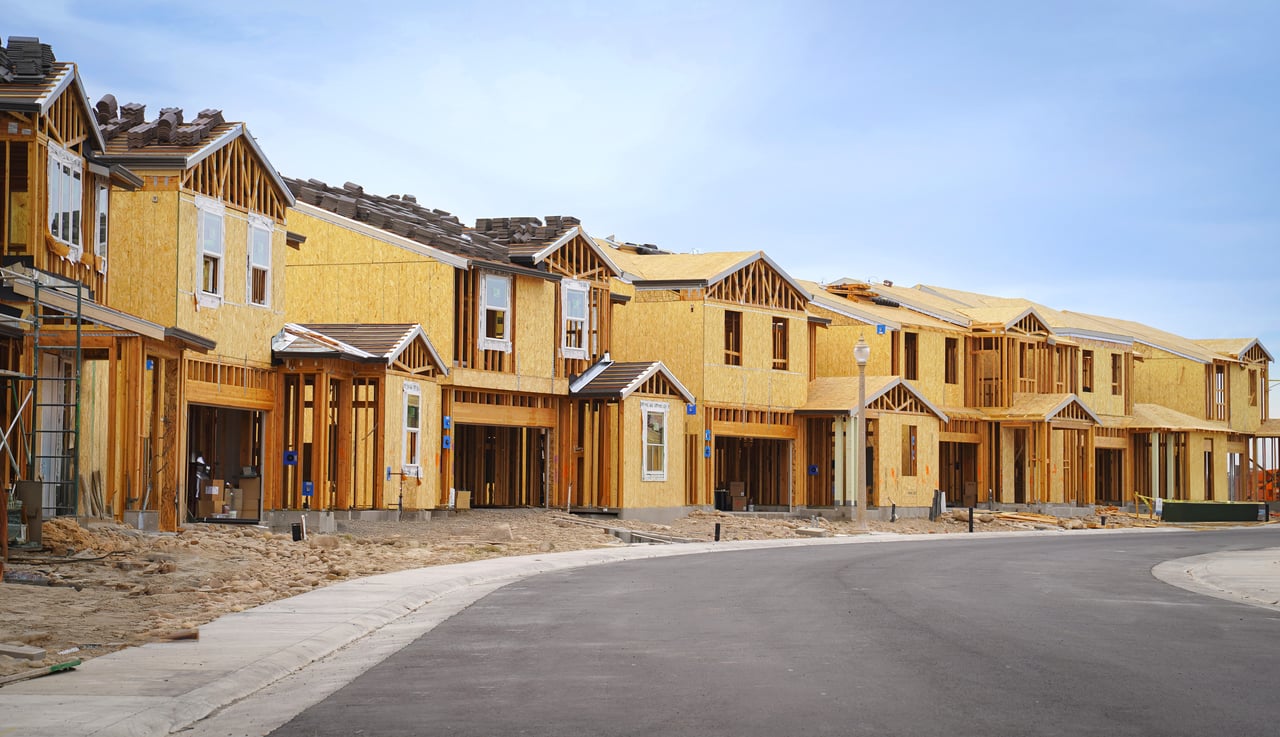
The choice between new construction and an existing home in the Triangle comes down to three things: timeline, cost visibility, and resale picture. New construction gives you a warranty and the ability to choose finishes, but builder contracts and HOA structures in new communities require careful review before you sign. Existing homes offer more timeline predictability but may carry deferred maintenance. Neither is better by default.
What Do You Actually Pay for New Construction Versus a Resale Home in the Triangle?
The sticker price on a new construction home is not the whole number. Builders price the base model and add lot premiums, structural upgrades, and design center selections on top. A townhome listed at $389,000 in Clayton or Zebulon can reach $430,000 or higher by the time you select a better lot, add a configuration upgrade, or choose kitchen finishes. That is before HOA fees, which in new communities often cover amenity infrastructure the builder is still constructing.
Resale homes carry their own costs. Buyers in the Triangle's resale market are frequently competing against other offers, and well-priced homes move quickly. When you win a resale home, you may be buying deferred maintenance alongside it. A home inspection surfaces what the seller has not addressed, and the negotiation that follows is not guaranteed to go in your direction.
Neither path is cheaper by default. The question is which costs you can see in advance and which ones will find you later. The Triangle market reports TCG tracks show how resale prices and new construction base prices compare by corridor and price point on an ongoing basis.
Are Builder Incentives in the Triangle Worth It?
Builders in active communities, particularly national builders acquiring land in Zebulon, Clayton, and Pittsboro, regularly offer incentives to move inventory. These can include rate buydowns, closing cost contributions, or design center credits. In a market where mortgage rates are a primary concern, a builder-funded rate buydown can meaningfully reduce your monthly payment for the first two or three years of the loan.
The catch: builder incentives are typically tied to using the builder's preferred lender. That lender may or may not offer the most competitive terms on the full loan. Before you accept an incentive package, have an independent lender run the same numbers. The incentive is real. Whether it is the best deal available to you is a separate question.
Incentives also tend to be more available at the end of a builder's quarter, when sales teams are working toward targets. Timing your purchase conversation with that cycle is something an experienced Triangle buyer's agent will know to do.
How Long Does It Take to Close on a New Construction Home in North Carolina?
A new construction home that is already framed and under roof can close in 60 to 90 days. A home that has not yet broken ground can take six to twelve months, sometimes longer if there are permitting backlogs or supply chain delays. That timeline matters significantly if you are selling a home at the same time or if your lease ends on a fixed date.
Resale homes typically close in 30 to 45 days once you are under contract. The process is more predictable in terms of timing, though less predictable in terms of condition. What an inspection reveals can extend the timeline or end the deal entirely.
In communities like Wendell Falls and Wake Forest, where new construction has absorbed significant buyer demand, the build cycle position of the specific home matters as much as the list price when you are planning your move. A buyer's agent who knows these communities can tell you exactly where a home sits in the build process before you commit.
Which Holds Its Value Better, New Construction or a Resale Home?
This is the question buyers rarely ask at the front end and often wish they had.
In a new construction community, your resale competition is the builder. If the builder is still selling new homes in your neighborhood when you are ready to move, buyers face a real choice between your home and a new one with a warranty and the ability to choose their own finishes. That dynamic tends to suppress resale prices in communities where construction is ongoing.
Resale homes in established neighborhoods do not carry that problem. Cary, Apex, North Hills, and Inside the Beltline have established comparables, and buyers know what the street looks like in five years because it already looks that way.
This does not make new construction a poor long-term investment. It means the resale picture depends heavily on how long you plan to hold the home and how far along the community is when you buy. The home valuation tool at thecoleygroup.com gives you a starting benchmark on how comparable resale homes in your target areas are performing right now.
How Do You Evaluate a New Community You Have Never Heard Of?
Zebulon, Clayton, and Pittsboro are drawing buyers who would have looked exclusively Inside the Beltline or in Cary and Apex two or three years ago. The price points are a real draw. But a community's long-term value is shaped by what gets built around it, the school district it feeds, and how the HOA is structured and funded.
HOA documents in new communities deserve careful review. Budgets that look reasonable in year one can shift significantly as amenities come online and reserve fund requirements increase. A buyer's agent who has worked in these markets can tell you which builders and which communities have a track record worth trusting, and which HOA structures have held up under pressure.
The Neighborhood Match tool at thecoleygroup.com helps buyers compare Triangle communities on commute, schools, and lifestyle before they narrow to a search. The Discover Your Lifestyle section covers the questions that price per square foot cannot answer.
Do You Need a Buyer's Agent for New Construction in the Triangle?
Yes, and the reason matters: the builder's on-site sales agent represents the builder's interests, not yours. That agent will not flag contract provisions that favor the builder, will not negotiate on your behalf, and is not positioned to tell you whether the incentive package in front of you is actually competitive or simply structured to look that way.
Twenty-five years in this market and more than 3,000 homes closed across the Triangle, including builder contracts, resale negotiations, and off-market purchases that never reached a public listing, give our team a level of builder and community knowledge that a buyer working alone cannot access.
We know which builders are delivering on their timelines and which are not. We know how to read a builder contract and where provisions that look standard are not. We know which communities in Zebulon, Clayton, and Pittsboro are positioned for long-term growth and which are simply the newest subdivision at this price point.
When you hire one of us, you get all of us. Our team holds specific expertise across each part of the buying process, so nothing waits because one person was stretched thin.
If you are weighing new construction against resale and want a clear picture of both, schedule a call with our team. No pressure, no predetermined answer. Just 25 years of knowing this market and knowing which questions are worth asking before you sign.
The quality of daily life in the Triangle, its neighborhoods, restaurants, and local character, is part of what gives both new and resale homes their underlying value here. BestofRaleigh.com is the guide The Coley Group runs to help buyers get inside the city before they decide.
Watch the TCG buyer's guide to new construction on YouTube for a walkthrough of builder contracts, HOA documents, and how to read an incentive package before you commit.
Methodology
Builder timeline estimates in this post reflect current practice among Triangle-area national and regional builders as of the publication date. Build cycle ranges (60-90 days for a home under roof; 6-12 months for pre-construction) vary by builder, community, and permitting conditions and should be confirmed with the builder's sales team for any specific home. Resale market conditions and price references reflect Triangle MLS data current as of publication. For community-specific guidance, contact a TCG advisor at 919-980-9607.
Frequently Asked Questions About New Construction vs. Resale in the Triangle
Is new construction or a resale home a better deal in the Triangle right now?
Neither is better by default. New construction gives you finishes choice and a builder warranty, but lot premiums, structural upgrades, and design center selections routinely push the price well above the base. Resale homes offer more timeline predictability but may carry deferred maintenance. The right choice depends on your timeline, budget, and how long you plan to hold the home.
How much more does new construction cost than the base price in the Triangle?
Significantly more, in most cases. Lot premiums, structural upgrades, and design center selections routinely add $30,000 to $60,000 or more to a base price in active Triangle communities. Get an itemized breakdown of every add-on before you sign a purchase agreement, and compare the all-in cost to resale homes in the same corridor before committing.
Are builder incentives worth accepting in NC?
Often yes, but verify first. Builder-funded rate buydowns and closing cost contributions are real money. The catch is that incentives are typically tied to the builder's preferred lender. Before accepting any package, have an independent lender run the same loan scenario. The incentive may be the best deal available, or a competitive lender may offset it entirely.
How long does new construction take to close in North Carolina?
A home already framed and under roof typically closes in 60 to 90 days. A home that has not yet broken ground can take six to twelve months or longer, depending on permitting and supply conditions. Confirm the build cycle position of any specific home with the builder's sales team before you go under contract.
Will a new construction home in Zebulon or Clayton appreciate as well as a resale home in Cary or Apex?
Not necessarily in the near term. In active new construction communities, resale competition includes the builder selling new homes with warranties, which tends to suppress prices until the community builds out. Established resale neighborhoods in Cary and Apex do not have that dynamic. How long you hold the home matters more than the purchase type when projecting appreciation.
Do I need a buyer's agent to buy new construction in North Carolina?
Yes. The builder's on-site sales agent represents the builder's interests, not yours. An independent buyer's agent who knows Triangle builder contracts reviews the purchase agreement before you sign, identifies non-standard provisions, negotiates on your behalf, and knows which incentive packages are genuinely competitive versus which are structured to appear better than they are.
Written by Gretchen Coley
Founder and CEO, The Coley Group at Compass
Gretchen has led the Triangle's top residential real estate team for more than 25 years, serving over 3,000 families and recording more than $2B in closed volume. The Coley Group holds the number one Compass Team ranking in the Triangle four years running, with 17 advisors specializing across luxury, new construction, relocation, and first-time buyers. To connect with Gretchen or a TCG advisor, call 919-980-9607 or email [email protected].