
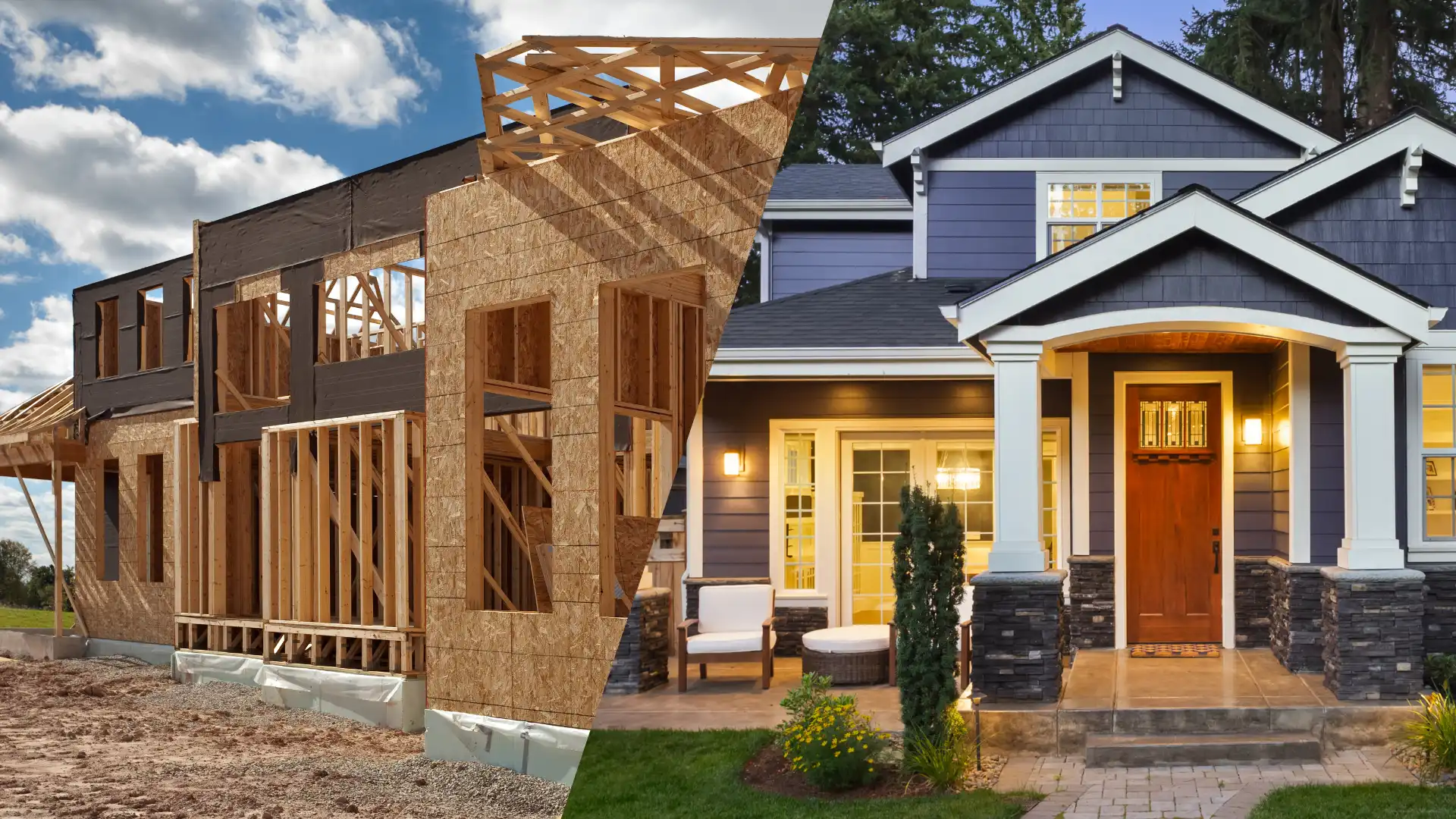
Buying a home in the Raleigh area often comes down to one big question: new construction or an existing home? While purchase price is usually the first comparison buyers make, the true cost difference goes much deeper. From builder incentives and repair costs to energy efficiency and long-term appreciation, understanding the full financial picture can help you make a smarter investment.
As of December of 2025, here’s a closer look at how new construction and existing homes truly compare in Raleigh’s market.
Key Takeaways
- New construction homes in Raleigh often feature competitive upfront pricing thanks to builder incentives, with median new home prices around $450,000-$475,000
- Existing homes may appear less expensive initially, but hidden repair and maintenance costs can reach $15,000-$40,000 within five years, while new construction may add $25,000-$75,000 in lot premiums and upgrades
- New construction homes typically offer 20-30% monthly utility savings due to modern insulation, windows, and HVAC systems
- Over a 10-year period, new construction often costs $25,000-$50,000 less overall when factoring in warranties, maintenance savings, and appreciation
- Raleigh’s position as one of the fastest growing regions in the country, driven by major employers in Research Triangle Park, continues to support strong appreciation for both new and existing homes
Upfront Purchase Price Comparison in Raleigh
The Raleigh area housing market has experienced a remarkable transformation, with new construction accounting for nearly 40% of all homes for sale in late 2025. While many buyers assume new homes come with a much higher price tag, median new construction prices in Raleigh have reached near parity with existing homes, largely due to increased inventory and competitive builder incentives.
In popular, family-oriented communities, median pricing varies by location:
- Holly Springs: $559,000-$650,000 for single-family homes in master planned communities
- Apex: $580,000-$640,000, reflecting premium pricing tied to top-rated schools
- Knightdale: $395,000-$455,000, offering easy access to downtown Raleigh
- Fuquay-Varina: $435,000-$475,000 in newer developments
Comparable existing homes in these same neighborhoods typically range from $400,000-$475,000, creating a potential 10-20% upfront savings. However, this initial price advantage often narrows once repair needs and updates are factored in.
Premium locations near Research Triangle Park command higher prices across the board. New construction homes in these sought-after areas start around $650,000, while existing homes in established neighborhoods like those near NC State University range from $550,000-$750,000, depending on condition and location.
To stay competitive, many Raleigh-area builders frequently offer attractive incentives such as:
- $10,000-$25,000 in closing cost assistance
- Temporary interest rate buydowns
- Complimentary upgrade packages for finishes and appliances
- Extended warranties on major home systems
Hidden Costs: New Construction Homes
New construction offers the appeal of a brand-new home built to today’s standards, but buyers should be aware of costs that may not appear in the base price. Understanding these costs helps home buyers make informed decisions about their perfect home.
Lot premiums are often the largest surprise. Homes located near top Wake County schools, green spaces, or with convenient access to Research Triangle Park can carry premiums of $25,000-$75,000. Corner lots, cul-de-sac positions, and homes backing to wooded areas typically add even more.
Upgrade packages can also significantly increase the final price:
- Premium kitchen finishes and smart home technology: $20,000-$35,000
- Luxury master bathrooms: $15,000-$25,000
- Hardwood flooring throughout: $8,000-$15,000
- Outdoor living enhancements: $12,000-$20,000
Many new homes also exclude landscaping and exterior features, requiring an additional $8,000-$15,000 for:
- Front and backyard landscaping
- Driveways and walkways
- Outdoor lighting and irrigation systems
- Fence installation
Property taxes on new construction reflect current market assessments, often resulting in $1,800-$3,600 more per year than comparable existing homes. While this equates to $150-$300 monthly, it can add up over time.
Construction delays remain a factor, with timelines sometimes extending 3-6 months due to labor and material constraints. These delays can require temporary housing arrangements and additional costs during the transition period.
Hidden Costs: Existing Homes
Existing homes in Raleigh can feel more budget-friendly upfront, but inspections often reveal repair needs that impact total cost.
Home inspections commonly uncover $12,000-$35,000 in necessary repairs, including:
- HVAC replacements or major repairs: $8,000-$15,000
- Roof repairs or replacement: $10,000-$25,000
- Electrical updates to meet code: $5,000-$12,000
- Plumbing repairs: $3,000-$8,000
Energy efficiency upgrades are another frequent expense:
- Insulation and air sealing: $5,000-$10,000
- Energy-efficient windows: $8,000-$15,000
- High-efficiency HVAC systems: $7,000-$12,000
Kitchen and bathroom renovations typically average $25,000-$50,000 in the Raleigh market. Additionally, annual maintenance costs for existing homes average $3,000-$5,000 annually, compared to $1,000-$2,000 for new construction. This difference stems from aging systems, outdated materials, and the accumulated wear of previous ownership.
Unexpected issues, such as foundation concerns or hidden plumbing problems, can quickly exceed $10,000, adding both financial and emotional stress.
Long-Term Financial Analysis
When evaluating total cost of ownership over 10 years, new construction often comes out ahead despite higher upfront pricing.
According to the U.S. Energy Information Administration, homes built in the 2000s consumed 21% less energy for space heating on average than older homes. This translates to monthly savings of $50-$150, or $6,000-$18,000 over a decade, which creates meaningful monthly savings such as:
- Superior insulation reduces heating and cooling costs
- Energy Star appliances minimize electricity consumption
- Advanced HVAC systems with programmable thermostats optimize efficiency
- Modern windows and doors eliminate air leaks
New construction warranties provide substantial financial protection that existing homes cannot match. Builder warranties typically cover:
- Structural components for 10 years
- Major systems (HVAC, plumbing, electrical) for 2-5 years
- Appliances and fixtures for 1-2 years
These warranties can save $8,000-$12,000 in repair costs compared to existing homes.

Appreciation trends further favor new construction. New homes in master planned communities average 4-6% annual appreciation, compared to 3-4% for existing homes. This 1-2% difference may seem modest, but it compounds to significant value differences over time. Over 10 years, a $500,000 new home appreciating at 5% annually reaches approximately $814,000, while an existing home appreciating at 3.5% reaches about $709,000.
When combining energy savings, warranties, reduced maintenance, and appreciation, new construction often costs $25,000-$50,000 less over a 10-year period.
Raleigh Market Factors Affecting Costs
Raleigh’s unique position as one of North Carolina’s fastest growing regions influences both pricing and long-term value. Understanding these local factors helps home buyers make informed decisions about their investment.
Research Triangle Park’s continued expansion drives unprecedented demand for housing across all price ranges. Major employers including IBM, Cisco, GlaxoSmithKline, and Lenovo maintain significant operations in the area. Apple announced plans in 2021 for a major campus expansion that would bring 3,000 high-paying jobs to RTP, though construction timelines have been extended. This job market strength supports strong home value appreciation for both new construction homes and existing properties.
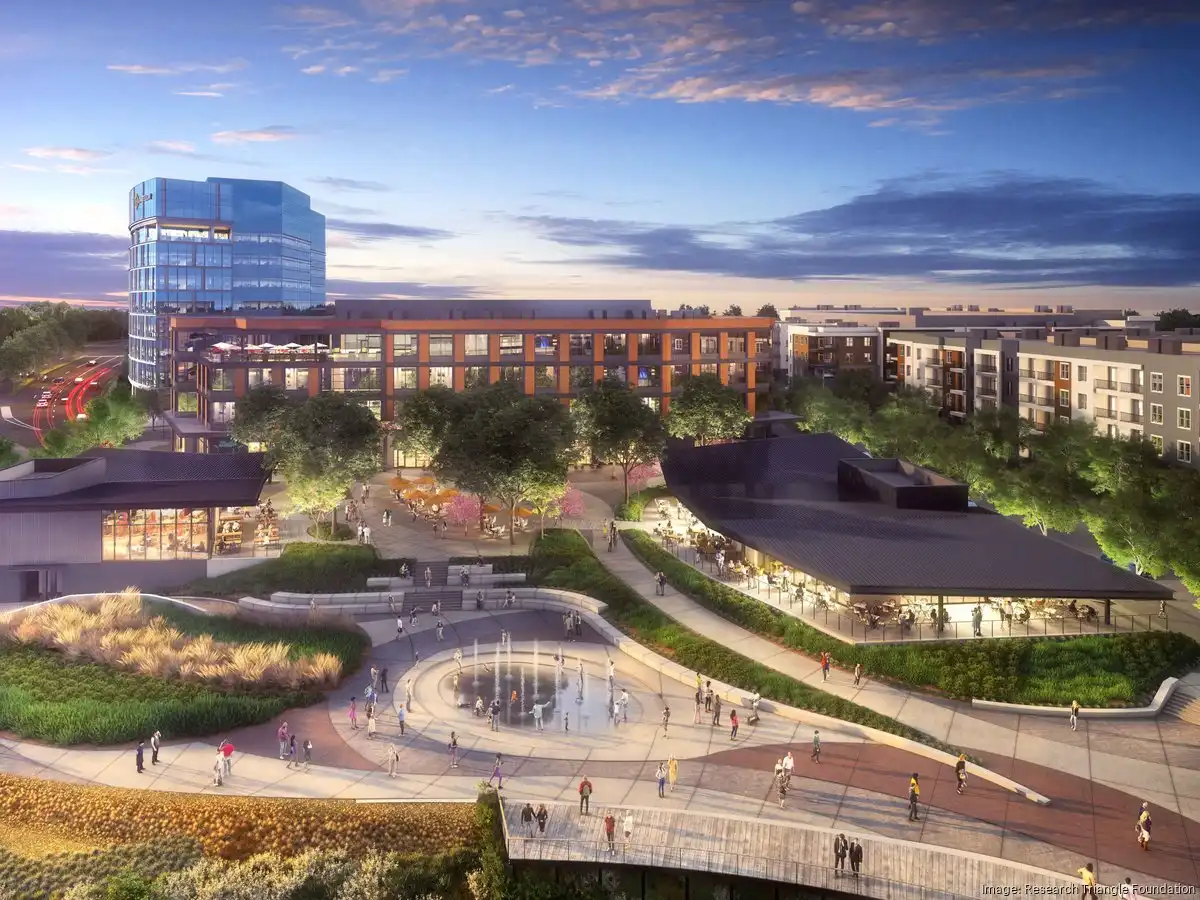
Photo Credit: Triangle Business Journal
Transportation access to I-40, I-440, and future transit expansions also plays a major role in pricing, while the presence of institutions like NC State University and Duke University supports consistent housing demand. This academic influence stabilizes property values and supports diverse housing options across various price points.
Raleigh’s cultural scene, anchored by institutions like museums, theaters, and the city’s vibrant downtown Raleigh districts, enhances the desirability of nearby neighborhoods for both new construction and existing homes.
Neighborhood-Specific Cost Considerations
Different areas within the greater Raleigh region offer distinct advantages and cost structures for both new construction and existing homes.
Holly Springs: Emerged as a premier destination for growing families seeking new construction in master planned communities. New construction homes typically offer amenities like swimming pools, fitness centers, and extensive trail systems usually range from $559,000-$650,000, with strong appreciation potential as the communities mature.
Apex: Commands premium pricing for both new and existing homes because of its proximity to Research Triangle Park and consistently excellent schools. New construction here typically starts around $580,000-$640,000, while existing homes in established neighborhoods range from $500,000-$750,000.
Downtown Raleigh: Historic properties offer character and walkability to restaurants, entertainment, and cultural attractions. Existing homes provide unique urban lifestyle benefits but typically require $20,000-$50,000 in renovations for modern updates.
Knightdale: Represents an emerging opportunity for affordable new construction with reasonable commute times. The area offers new homes starting around $395,000 while providing access to quality schools and community amenities.
Established neighborhoods near NC State University and Research Triangle offer existing homes with mature oak trees, established community character, and close proximity to major employers. These areas typically feature homes built in the 1980s-2000s, requiring varying levels of updates but offering more affordable entry points than new construction.
Communities like Cary and Morrisville provide a perfect blend of new construction and existing home options, with master planned communities featuring resort-style amenities alongside established neighborhoods with mature landscaping.
What’s the Best Decision For You?
The difference between new construction and an existing home isn’t just about price, it’s about finding the right investment for your future.
Whether you’re weighing new construction options in Holly Springs or eyeing a charming existing home in Apex, we are here to help.
Contact our team today to start your home search with local experts who know every neighborhood.
FAQ
How much can I save by choosing an existing home over new construction in Raleigh?
Initial savings typically range from $25,000-$75,000 on purchase price, but factor in potential repair costs of $15,000-$40,000 within five years. The savings diminish when considering long-term maintenance, energy costs, and warranty protection.
What financing advantages exist for new construction in Raleigh?
Many home builders offer preferred interest rates through partner lenders, closing cost assistance ranging from $5,000-$15,000, and flexible payment schedules. Some provide rate locks during building periods, protecting against interest rate increases. Additionally, new construction often qualifies for energy-efficient home tax credits and reduced utility deposits.
Are property taxes significantly higher on new construction homes?
Yes, typically $1,800-$3,600 more annually. However, energy efficiency features may qualify for tax incentives, and homestead exemptions can offset some increases. The higher assessment reflects current market values that existing homes will eventually reach during reassessment cycles.
Which option appreciates faster in Raleigh’s market?
New construction typically appreciates 1-2% faster annually due to modern amenities, energy efficiency, and community features. However, existing homes in historic neighborhoods or those near downtown cultural venues may appreciate comparably due to location and land scarcity. The key factor is location quality rather than home age.
How do maintenance and warranty coverage compare between new and existing homes?
New construction includes comprehensive warranties covering structural issues (10 years), major systems (2-5 years), and appliances (1-2 years), potentially saving $8,000-$12,000 in the first decade. Existing homes require immediate responsibility for all repairs and replacements. However, some existing home purchases include home warranty plans that provide limited coverage for major systems and appliances for 1-2 years.

Social Cookies
Social Cookies are used to enable you to share pages and content you find interesting throughout the website through third-party social networking or other websites (including, potentially for advertising purposes related to social networking).