
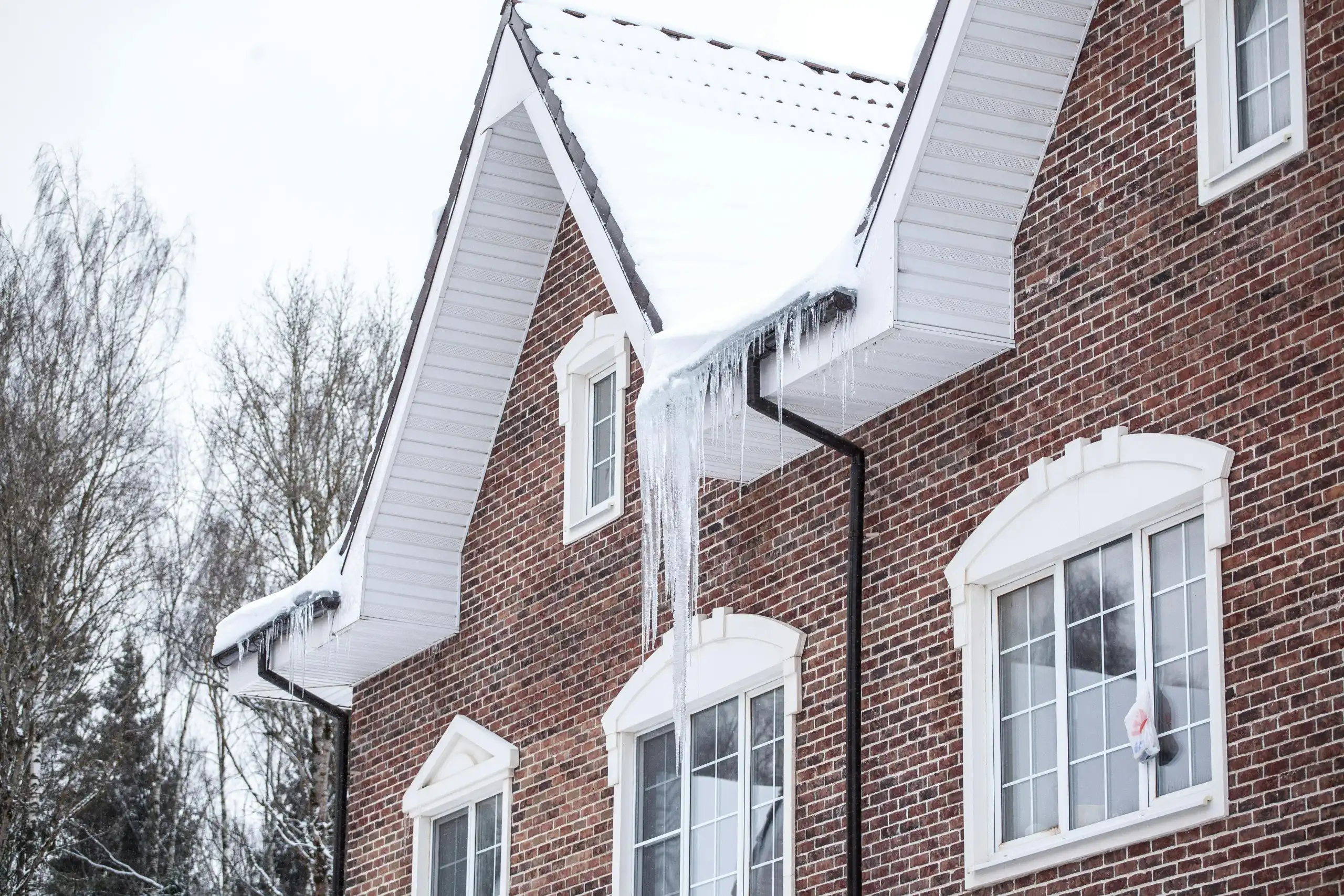
Snow storms may be rare in the Triangle, but when they hit, they hit hard, and most of us aren’t as prepared as our Northern neighbors. Remember the 2022 ice storm that knocked out power for days across Wake and Durham counties? Or the 2014 storm that stranded thousands of commuters on icy roads for hours? A little preparation can make all the difference between a cozy snow day and a stressful ordeal.
The reality is that our region’s mild climate works against us when winter weather arrives. We don’t have the fleet of snow plows, salt trucks, or winterization infrastructure that cities like Charlotte (which gets similar weather) or places further north rely on. Our homes are built for hot, humid summers, not prolonged freezing temperatures. And because serious winter storms only happen every few years, it’s easy to forget what we learned the last time around.
This guide will walk you through everything you need to know to protect your Triangle home before, during, and after a winter storm.
Before the Storm: Preparation Is Everything
The time to prepare for a winter storm is well before one shows up in the forecast. Ideally, you’ll tackle these tasks in late fall so you’re not scrambling at the last minute alongside everyone else in Wake, Durham, and Orange counties.
Service Your Heating System
Most Triangle homes rely on heat pumps rather than traditional furnaces, and while heat pumps are wonderfully efficient in our typically mild winters, they can struggle when temperatures drop into the teens or single digits. Heat pumps work by extracting warmth from outdoor air, and when that air gets extremely cold, there’s simply less heat to extract.
That’s why most heat pump systems in our area include a backup heat source, usually electric resistance strips (sometimes called auxiliary or emergency heat) or, in some homes, a gas furnace. The problem is that many homeowners have never actually tested whether their backup heat works properly. Our winters are usually mild enough that the heat pump handles everything on its own, so the backup system might sit unused for years.
Before winter storm season, have an HVAC technician inspect your entire system. Ask them specifically to test your backup heat and make sure it kicks in when needed. Replace your air filters too, since a clogged filter makes your system work harder and can cause it to shut down when you need it most.
If your home has a fireplace, have the chimney inspected and cleaned. A working fireplace can be a lifesaver during an extended power outage, but a dirty chimney is a fire hazard.
Protect Your Pipes
Frozen pipes are one of the most common and most expensive problems Triangle homeowners face during winter storms. When water freezes inside a pipe, it expands, and that expansion can crack or burst the pipe. The real damage often happens after the storm, when temperatures rise and that cracked pipe starts spraying water into your walls, floors, or crawl space.
Many homes in the Triangle are built on crawl space foundations rather than basements or slabs. This construction style makes sense for our climate since it helps with moisture control and keeps homes cooler in summer, but it leaves pipes more exposed to freezing temperatures than they would be in a basement.
Take time before winter to insulate any exposed pipes in your crawl space, attic, garage, or along exterior walls. Foam pipe insulation is inexpensive and easy to install. For pipes that are particularly vulnerable, consider adding heat tape, which uses electricity to keep pipes warm during extreme cold.
Most importantly, know where your main water shutoff valve is located. In most Triangle homes, you’ll find it near the water meter (often in the front yard) or where the water line enters your house. If a pipe does burst, shutting off the water quickly can prevent thousands of dollars in damage.
Clear Your Gutters and Downspouts
Those beautiful oak, maple, and pine trees that make Triangle neighborhoods so appealing also drop an enormous amount of debris into your gutters throughout the fall. Clogged gutters might seem like a minor annoyance, but during a winter storm, they can cause serious problems.
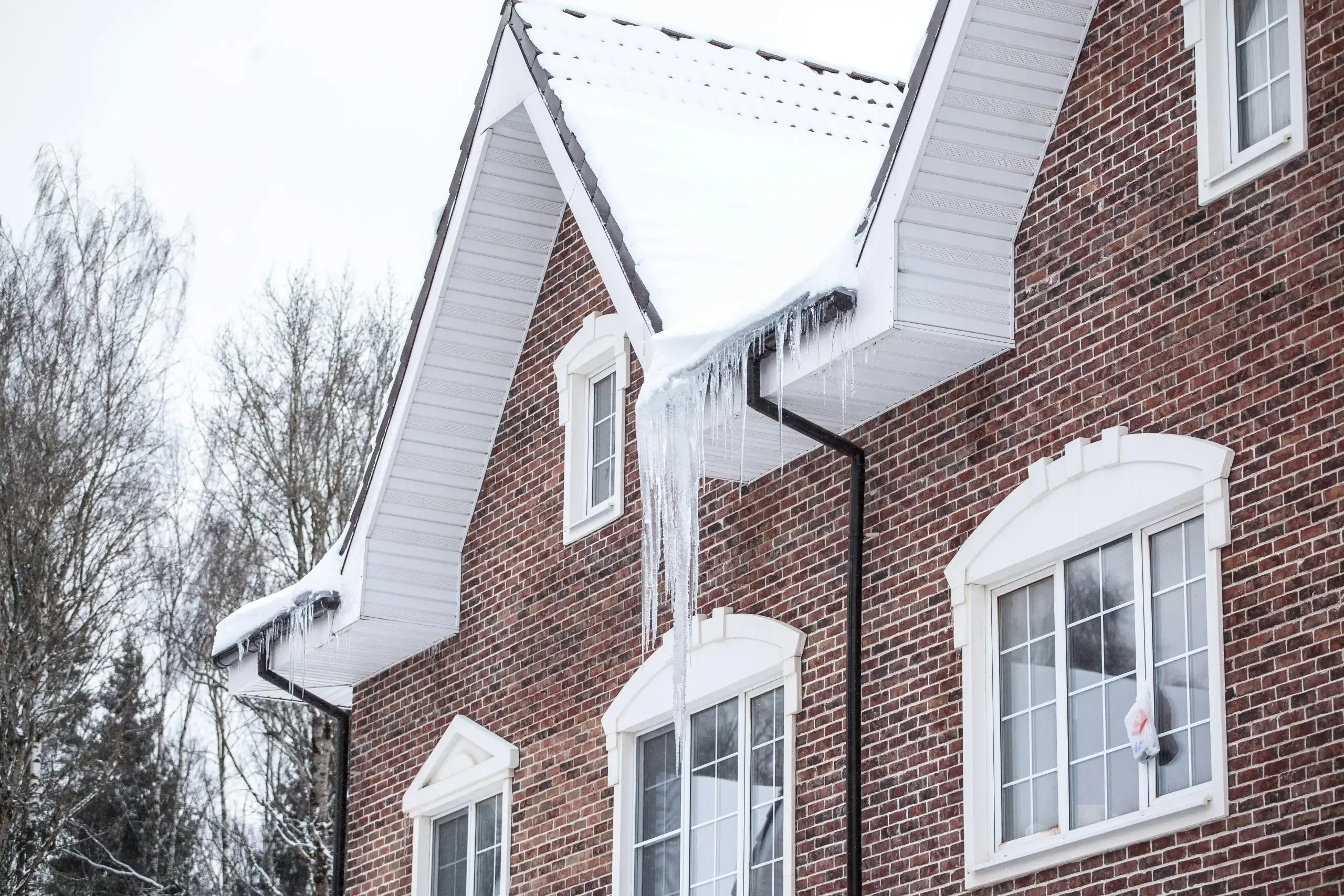
When gutters are blocked, melting snow and ice have nowhere to go. The water backs up, refreezes, and forms what’s called an ice dam along the edge of your roof. As the cycle continues, ice can work its way under your shingles, causing leaks that damage ceilings, walls, and insulation. Ice dams can also tear gutters right off your house.
Clean your gutters thoroughly in late fall, and make sure downspouts direct water at least three to four feet away from your foundation. If you have mature trees close to your home, you might need to clean gutters again in early winter after the last leaves have fallen.
Trim Back Trees and Branches
The Triangle’s tree canopy is one of the things that makes this area so beautiful, but those same trees become hazards during ice and snow storms. Heavy ice accumulation can snap branches or even topple entire trees onto homes, cars, fences, and power lines.
Our loblolly pines are particularly vulnerable. They’re tall, they have relatively shallow root systems, and their branches hold ice and snow rather than shedding it. Dead or dying pines should be removed before they become a problem. The same goes for any dead limbs on hardwood trees near your home or driveway.
Have a certified arborist assess the trees on your property and address any concerns before storm season. Yes, this costs money, but it’s far less expensive than repairing a roof or dealing with a tree that’s fallen on your car.
Also take note of any trees on neighboring properties that could affect your home. While you can’t trim your neighbor’s trees without permission, you can have a conversation with them about any concerns, and you can make sure your homeowner’s insurance is up to date.
Inspect Your Roof
Your roof is your home’s first line of defense against winter weather, and any existing vulnerabilities will be exposed during a storm. Walk around your property and look at your roof from ground level. Are there any missing, cracked, or curling shingles? Do you see any areas where the roofline sags or dips? Are the flashing and seals around vents, chimneys, and skylights intact?
If you notice any issues, have them addressed before winter. A small roof repair now can prevent a major leak later.
While you’re at it, make sure your attic is properly insulated and ventilated. Poor attic insulation is one of the leading causes of ice dams. Heat escaping from your living space warms the roof, melting snow that then refreezes at the colder eaves. Proper insulation keeps that heat where it belongs and helps prevent ice dam formation.
Stock Up Strategically
If you’ve lived in the Triangle for any length of time, you know what happens to grocery stores when snow is in the forecast. The bread aisle empties out. The milk is gone. Bottled water? Good luck.
Don’t wait until the storm is two days away to get your supplies. Stock up on essentials well in advance:
Food and water: Keep at least three days’ worth of non-perishable food on hand, including canned goods, crackers, peanut butter, dried fruit, and granola bars. Have one gallon of water per person per day stored, plus extra for pets. If you have an infant, make sure you have plenty of formula.
Medications: Don’t let prescriptions run low during winter months. If a storm hits and pharmacies close or roads become impassable, you don’t want to be caught without essential medications.
Flashlights and batteries: Power outages are common during Triangle ice storms because so much of Duke Energy’s infrastructure runs through heavily wooded areas. Have multiple flashlights and plenty of extra batteries. Battery-powered lanterns are even better for lighting a room.
Phone chargers: Keep your cell phones fully charged when a storm is approaching, and have portable battery packs ready as backup. Your phone may be your only way to get information or call for help during an extended outage.
Cash: ATMs don’t work without power, and many businesses can’t process card payments during outages. Keep some cash on hand for emergencies.
Pet supplies: Stock up on pet food and any medications your animals need. Make sure you have a plan for keeping pets warm and safe.
Gas up your vehicles: Fill your car’s gas tank before the storm arrives. Gas stations can’t pump fuel without electricity, and you may need your car for warmth or to drive somewhere with power if the outage is extended.
Have Backup Power Options Ready
Extended power outages are a real possibility during Triangle winter storms. The 2022 ice storm left some households without power for nearly a week. If you experienced that, you know how miserable it can be and how dangerous it can become, especially for elderly family members, young children, or anyone with medical equipment that requires electricity.
A portable generator can be a worthwhile investment for Triangle homeowners. If you purchase one, learn how to use it safely before you need it. Generators must be operated outdoors, at least 20 feet from your home, with the exhaust pointing away from windows and doors. Never run a generator inside your home, garage, or enclosed porch. Carbon monoxide poisoning is a serious risk and has caused deaths in our area during past storms.
For less extreme backup, consider portable power stations (large battery packs that can charge phones, run small appliances, and power medical devices) or even a simple inverter that plugs into your car’s outlet.
If you have a whole-house generator, make sure it’s been serviced recently and that you have adequate fuel.
Prepare Your Outdoor Spaces
Before a storm arrives, take a few minutes to prepare your yard and outdoor areas.
Bring in or secure any patio furniture, decorations, potted plants, or other items that could blow around or be damaged by ice and snow. Move grills away from the house and make sure propane tanks are turned off.
Disconnect and drain garden hoses, and shut off exterior faucet valves if your home has them. Even frost-proof hose bibs can freeze if a hose is left attached.
If you have a sprinkler system, make sure it’s been properly winterized. Most Triangle irrigation companies offer winterization services in the fall.
Stock up on ice melt, rock salt, or sand for your walkways and driveway. A sturdy snow shovel is also worth having, even if you only use it once every few years.
During the Storm: Keeping Your Home Safe
Once the snow or ice starts falling, your focus shifts to maintaining warmth, preventing damage, and staying safe until conditions improve.
Prevent Frozen Pipes
When temperatures drop below 20 degrees, which happens a few times each winter in the Triangle and more frequently during major storms, take extra precautions to keep your pipes from freezing.
Let faucets drip overnight and during the coldest parts of the day. Focus on faucets connected to pipes that run along exterior walls or through unheated spaces like garages or crawl spaces. A small, steady drip keeps water moving through the pipes, which helps prevent freezing. Yes, this wastes a little water, but it’s far cheaper than repairing a burst pipe.
Open cabinet doors under sinks in kitchens and bathrooms, especially those on exterior walls. This allows warm air from your home to circulate around the pipes.
Keep your thermostat set to at least 65 degrees, even at night. You might be tempted to turn the heat down to save money, but the cost of heating your home is nothing compared to the cost of water damage from frozen pipes.
If you’re leaving your home during a cold snap, even for a day trip, don’t turn off the heat. Keep it set to at least 55 degrees to protect your pipes.
Keep Heat Circulating
Our Triangle homes often have open floor plans, which is great for everyday living but can create cold spots during extreme weather. Keep interior doors open throughout your home so heat can circulate freely. This is especially important for bathrooms, laundry rooms, and bedrooms that are located on exterior walls or above unheated garages.
If you have rooms that tend to run cold, a small space heater can help, but use caution. Space heaters should be placed on flat, stable surfaces, kept at least three feet from anything flammable, and never left unattended. Plug them directly into wall outlets, not extension cords or power strips.
Clear Snow from Your HVAC Unit
Heat pumps sit outside your home, usually on a concrete pad near the foundation. During a snow storm, your outdoor unit can become buried or blocked by accumulating snow and ice.
Check your unit periodically during and after the storm. If snow is piling up around it, gently clear the accumulation away, being careful not to damage the fins or coils. Make sure there’s at least two feet of clearance on all sides so air can flow properly.
If your unit becomes encased in ice, don’t try to chip it away since you could damage the equipment. Instead, pour warm (not hot) water over the ice to melt it, or simply wait for temperatures to rise.
Monitor Your Home for Warning Signs
During a storm, stay alert for signs of problems developing:
Reduced water pressure could indicate a frozen pipe somewhere in your system. If this happens, keep the affected faucet open and try to locate the frozen section. You can apply gentle heat with a hair dryer or heating pad, but never use an open flame.
Unusual sounds from your plumbing, such as banging, clanking, or cracking, may indicate ice forming in pipes.
Cold spots on walls or floors near plumbing could mean pipes behind those surfaces are getting dangerously cold.
Water stains on ceilings or walls could indicate an ice dam is causing leaks.
If you suspect a pipe has frozen, act quickly. Turn off the water supply to that area if possible, and call a plumber if you can’t locate or thaw the frozen section.
Stay Off Icy Roads
This isn’t a home tip, exactly, but it’s important: stay home if at all possible during a Triangle winter storm.
Our roads aren’t treated with the same intensity as cities up North. NCDOT does its best, but we simply don’t have the equipment or salt supplies to treat every road quickly. Main highways get priority, followed by major secondary roads. Neighborhood streets and rural roads may not be treated at all.
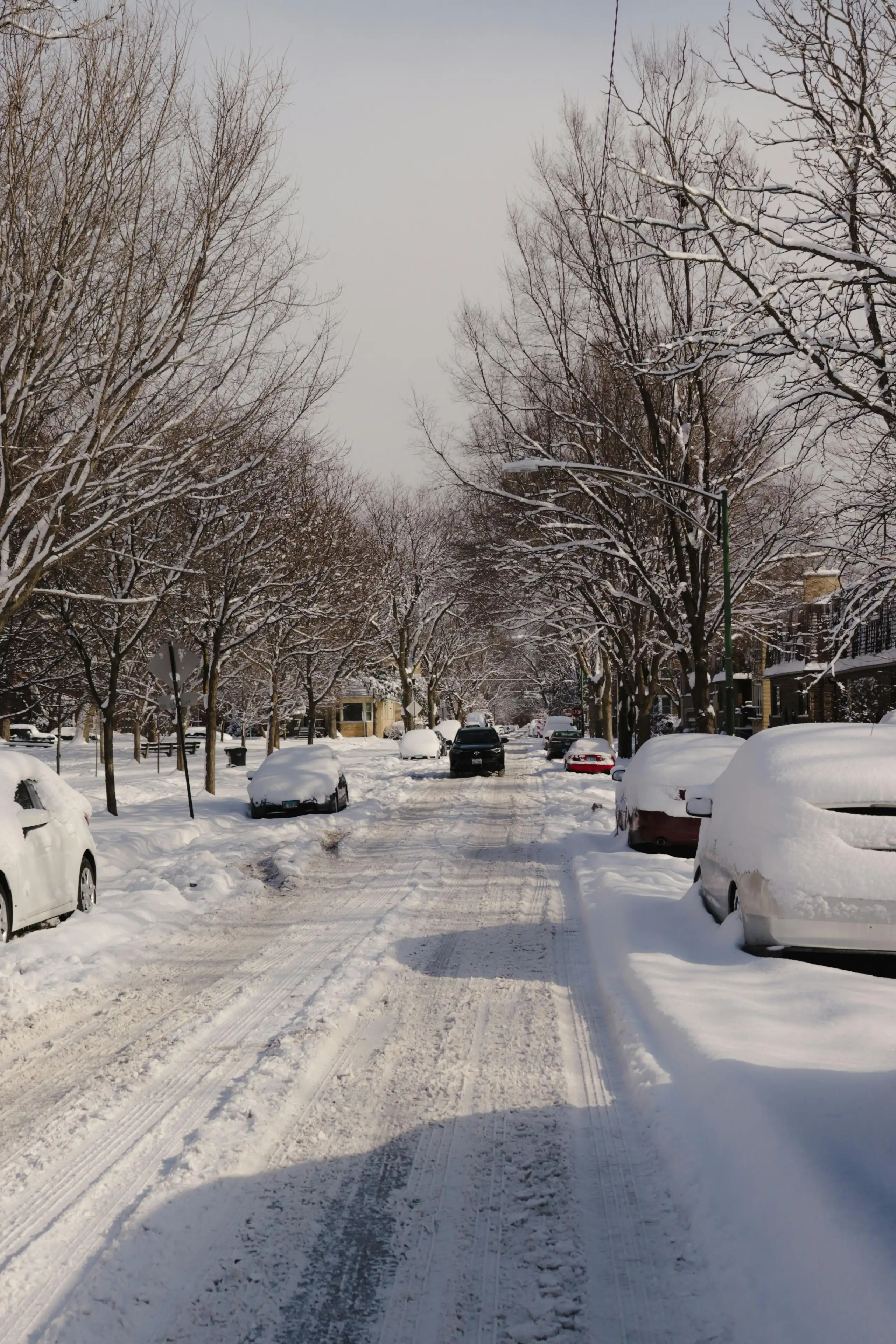
The Triangle’s hilly terrain makes things worse. North Raleigh, parts of Durham, and much of Chapel Hill and Carrboro have steep grades that become treacherous when icy. Even a thin layer of ice can make these roads impassable for vehicles without four-wheel drive.
Ice on our roads can also linger for days in shaded areas. Just because the sun is out and main roads look clear doesn’t mean your neighborhood street is safe.
If you must drive, go slowly, increase your following distance dramatically, and avoid sudden braking or acceleration. Keep an emergency kit in your car with blankets, water, snacks, and a phone charger.
Check Your Vents and Exhaust Pipes
Make sure exhaust vents for your furnace, water heater, and dryer aren’t blocked by snow. This is especially important in newer, tightly sealed homes where carbon monoxide can build up quickly if exhaust gases can’t escape.
These vents are typically located on exterior walls or through the roof. If you can safely access them, clear away any snow accumulation. If they’re on the roof, don’t climb up during icy conditions. It’s not worth the risk.
Consider installing carbon monoxide detectors on every level of your home if you don’t already have them. During a winter storm, when homes are sealed up tight and heating systems are running constantly, carbon monoxide poisoning is a real danger.
If You Lose Power
Power outages are common during Triangle ice storms. Here’s how to handle an extended outage:
Keep your refrigerator and freezer closed as much as possible. A full freezer will stay cold for about 48 hours, while a half-full freezer will last about 24 hours. A closed refrigerator will keep food safe for about four hours.
Never use a gas stove or oven to heat your home. This creates a serious carbon monoxide risk.
If you use a generator, follow all safety precautions. Run it outdoors, away from windows and doors, and never refuel it while it’s running or hot.
Dress in layers and use blankets liberally. Focus on keeping your core warm. Wear a hat indoors since you lose a significant amount of body heat through your head.
Consider relocating temporarily if the outage extends beyond a day or two, especially if you have young children, elderly family members, or anyone with health concerns. Many Triangle hotels remain open during storms and have backup power. Warming shelters may also be available, so check local news and government websites for locations.
Report the outage to Duke Energy through their website or app. This helps them prioritize repairs and gives you estimated restoration times.
After the Storm: Inspection and Recovery
Once temperatures rise and roads become passable, it’s time to assess any damage and take steps to prevent lingering problems.
Walk Your Property
Do a thorough inspection of your home and yard once it’s safe to be outside:
Look at your roof from ground level. Check for missing, cracked, or damaged shingles. Look for sagging areas or signs that ice or snow may have caused structural stress. If you see obvious damage, call a roofing professional. Don’t climb up yourself.
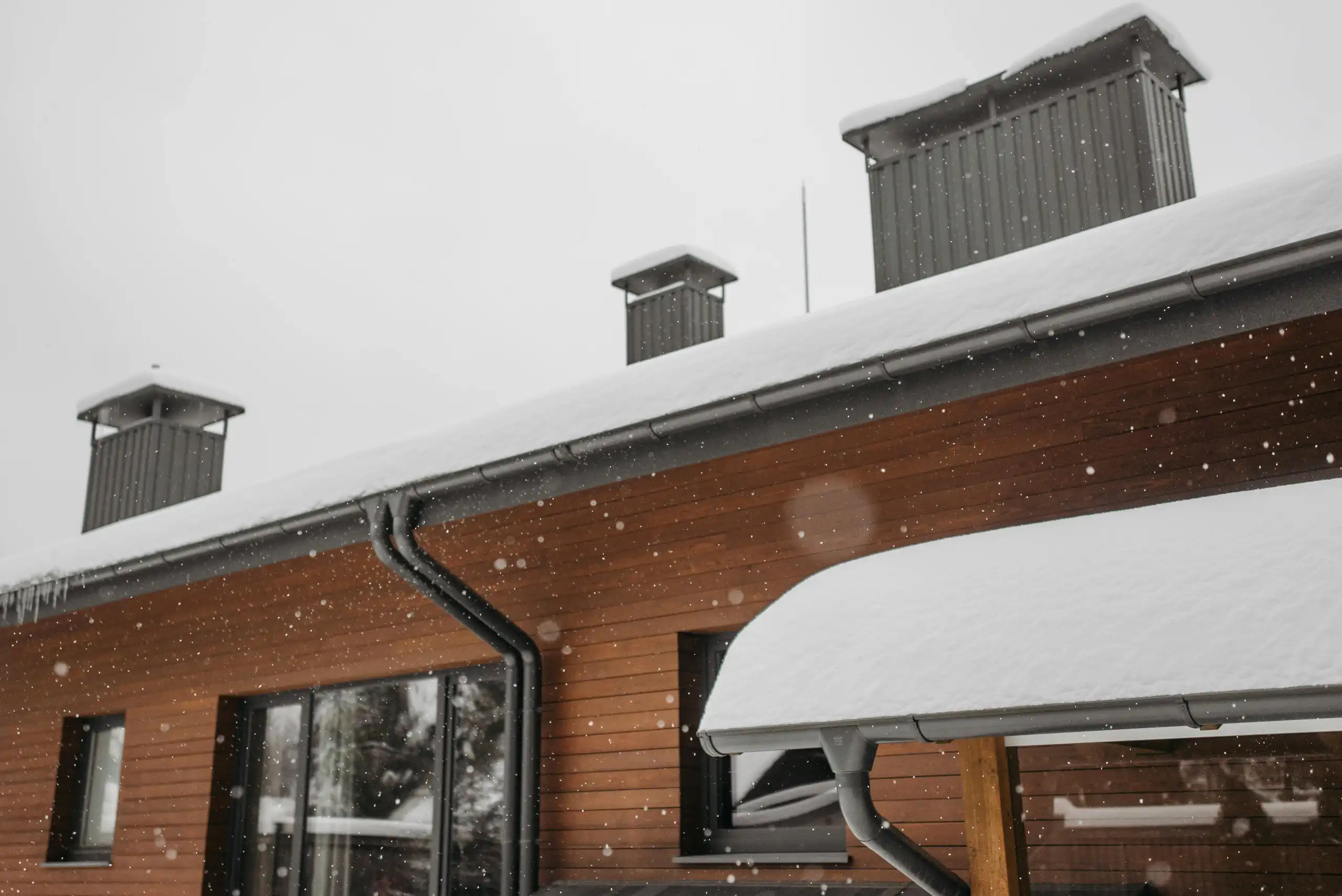
Inspect your gutters and downspouts. Ice can pull gutters away from the fascia or crush them. Make sure they’re still securely attached and draining properly.
Check for fallen branches or trees that may have damaged fences, sheds, decks, or vehicles.
Look for ice dam damage along your roofline. Water stains inside your home, near the ceiling on exterior walls, may indicate ice dams caused leaks.
Examine your crawl space if you have access. Look for any signs of burst pipes, water damage, or moisture accumulation.
Address Pipe Issues
Even if you made it through the storm without obvious problems, check your plumbing carefully as things thaw. Pipes that froze but didn’t burst during the storm may develop cracks that only become apparent when the ice melts and water starts flowing again.
Turn on faucets throughout your home and check for normal water pressure. Look under sinks, in crawl spaces, and in basements for any signs of leaking. Check ceilings below bathrooms and near exterior walls for water stains.
If you discover a burst pipe, shut off the main water supply immediately and call a plumber. Document any damage with photos for your insurance claim.
Watch for Ice Dam Problems
Ice dams can continue causing problems for days after a storm as the freeze-thaw cycle continues. During the day, sun melts snow on your roof. At night, that water refreezes at the colder edges. This cycle can force water under shingles and into your home.
Keep an eye on your roofline and ceilings near exterior walls for several days after a storm. If you notice icicles forming along the edge of your roof, that’s a sign an ice dam may be developing.
If you do develop an ice dam, resist the urge to climb on the roof and chip it away. This is dangerous and can damage your shingles. You can use a roof rake to carefully pull snow off the lower portion of your roof from ground level, which helps prevent new ice dams from forming. For existing ice dams, consider calling a professional who can safely remove them, often using steam.
Document Everything for Insurance
If you have any storm damage, document it thoroughly before making repairs:
Take detailed photos and videos of all damage, inside and out. Include wide shots that show the overall extent of damage and close-ups of specific problems.
Make a list of damaged items and their approximate value.
Save any receipts for emergency repairs or temporary measures you had to take.
Contact your homeowner’s insurance company promptly to report the damage and ask about their claims process. Many policies require you to mitigate further damage (for example, tarping a damaged roof), so ask about this before proceeding.
Keep records of all communication with your insurance company, including names, dates, and what was discussed.
Restore Your Systems and Supplies
Once the immediate crisis has passed, take steps to prepare for the next weather event:
Restock your emergency supplies. Replace any food, water, batteries, or other supplies you used during the storm.
Refill prescriptions that ran low.
Top off your gas tank and any generator fuel supplies.
Schedule any needed repairs promptly. Roofing and plumbing companies get backed up after major storms, so the sooner you call, the sooner you’ll get on the schedule.
Note any lessons learned. Did you discover a vulnerability in your home’s winterization? Was there something you wished you’d had on hand? Make a note for next time.
Final Thoughts
Winter storms in the Triangle are manageable with the right preparation. The key is to take action before the storm arrives by servicing your heating system, protecting your pipes, trimming back trees, and stocking up on supplies. During the storm, focus on preventing frozen pipes, keeping your family warm, and staying off dangerous roads. Afterward, inspect your property carefully and address any damage promptly.
Living in the Triangle means enjoying mild winters most of the time, but it also means being caught a little off guard when serious winter weather does arrive. By taking these steps, you can actually enjoy watching the snow fall on your neighborhood with hot coffee in hand, heat running strong, and nothing to worry about but whether to bundle up the kids for sledding at Dorothea Dix Park or stay cozy inside with a good book.
Stay safe out there, and don’t forget to check on your neighbors, especially elderly residents who may need extra help during and after a storm. That’s what being part of the Triangle community is all about.
Do you have more questions about living in the Triangle?
Meet our team of experts →

Social Cookies
Social Cookies are used to enable you to share pages and content you find interesting throughout the website through third-party social networking or other websites (including, potentially for advertising purposes related to social networking).