

Key Takeaways
- Young professionals are gravitating toward walkable neighborhoods like Glenwood South, downtown Raleigh, and Five Points for nightlife and urban amenities.
- Families are choosing suburbs like Brier Creek, Wakefield, and Knightdale for top-rated schools and larger homes.
- Mixed neighborhoods like North hills and Mordecai attract both demographics with balanced amenities.
- Transit access and walkability are major factors influencing young professional location choices in 2024.
Raleigh’s explosive population growth has created fascinating migration patterns across its diverse living areas. While some neighborhoods buzz with the energy of young professionals seeking vibrant nightlife and walkable streets, others hum with the sounds of families choosing top-rated schools and spacious yards. Understanding where each demographic is moving, and why, reveals the true character of Raleigh’s evolving residential landscape.
The division is not simply about age or life stage. It reflects fundamentally different priorities driving housing decisions across Wake County. Young professionals prioritize proximity to downtown amenities, entertainment options, and public transportation. Families focus on school quality, safety, and community events. This demographic split is reshaping entire neighborhoods and creating distinct pockets of urban energy and suburban tranquility throughout the region.
Where Young Professionals Are Moving in Raleigh
Young professionals entering Raleigh’s job market are reshaping the urban core and select inner neighborhoods. These patterns show a clear preference for walkable areas with easy access to employment centers, dining scenes, and nightlife.
This group consistently chooses neighborhoods where they can minimize commute times while maximizing lifestyle amenities. They are drawn to architectural styles ranging from converted historic homes to modern high-rise apartments, creating a diverse urban landscape that supports career-focused lifestyles.
Top Young Professional Neighborhoods
Glenwood South stands out as Raleigh’s premier entertainment district, attracting young professionals who prioritize nightlife and dining options. This vibrant neighborhood features eclectic bars, upscale restaurants, and a thriving social scene that keeps residents engaged well into the evening hours. The area’s walkable layout means residents can easily access dozens of entertainment venues without relying on cars.
The capital district and broader downtown area offer high-end condos and apartments within walking distance of major employers and cultural attractions. Young professionals here enjoy proximity to the state capitol, museums, and the city center’s business core. The area features a mix of modern towers and converted historic buildings, providing diverse housing options for different budgets and style preferences.
The Warehouse District appeals to creative professionals and those seeking an urban atmosphere with converted loft apartments and art galleries. This historic neighborhood has maintained its industrial character while adding modern amenities that young workers crave. Residents enjoy unique living spaces in former warehouses alongside galleries, studios, and innovative restaurants.
Five Points offers an eclectic urban vibe with an independent movie theater, local boutiques, and diverse dining establishments. This neighborhood attracts young professionals who value character and authenticity over polished suburban amenities. The area’s tight knit community feel creates strong social connections among residents.
Village District provides a more affordable planned community option with shopping centers and excellent public transportation access. Young professionals choose this area for its balance of suburban convenience and urban connectivity, making it ideal for those starting their careers or seeking value in their housing choices.
Why Young Professionals Choose These Areas
Walkability ranks as the top priority for young professionals selecting Raleigh living areas. These residents want minimal commute times to downtown employers while maintaining easy access to Raleigh’s expanding dining scene, craft breweries, and entertainment venues. The concentration of restaurants, cafes, and bars within walking distance eliminates the need for lengthy drives to social activities.
Modern apartment complexes and converted historic properties offer the urban amenities of these demographic values: fitness centers, rooftop terraces, and co-working spaces. Many buildings feature contemporary designs with open floor plans and high-end finishes that appeal to young professionals focused on lifestyle and convenience.
Proximity to cultural attractions like museums, theaters, and music venues adds significant value for young professionals who prioritize arts and culture. These residents often choose neighborhoods based on their access to festivals, art walks, and live music venues that enrich their social lives and professional networks.
Public transportation options, including planned Bus Rapid Transit (BRT) access, influence location decisions for environmentally conscious young professionals. Areas with strong transit connections allow residents to maintain car-free lifestyles or reduce their reliance on personal vehicles for daily commuting.
Where Families Are Moving in Raleigh

Family migration trends in Raleigh show a decisive shift toward suburban neighborhoods that prioritize excellent schools, safety, and community amenities. These families are driving demand for larger housing options with good sized lots, modern floor plans, and proximity to parks and recreational facilities. The emphasis on educational opportunities and family-friendly environments shapes their neighborhood selection process significantly.
Unlike young professionals who prioritize entertainment and nightlife, families focus on long-term stability and child-friendly environments. They seek neighborhoods with low crime rates, established communities, and ample green spaces where children can play safely. This demographic often accepts longer commutes in exchange for better schools and larger living spaces.
Top Family-Friendly Neighborhoods
Brier Creek has emerged as a premier family destination near Research Triangle Park, offering top-ranked schools and a family-oriented community atmosphere. This North Raleigh location features newer construction single family homes alongside upscale townhouses and condominiums. The neighborhood’s master-planned design includes parks, walking trails, and community pools that foster family activities and neighborly connections.
Wakefield represents the ideal North Raleigh suburb for families. The area features established communities with mature trees, sidewalks, and neighborhood amenities that support family life. Families choose Wakefield for its reputation for educational excellence and strong community involvement.
Knightdale continues growing as a family-friendly suburb. This location east of Raleigh offers families more affordable housing options while maintaining access to quality schools and recreational facilities. The town’s small-community feel appeals to families seeking suburban charm with modern conveniences.
Bryson Village attracts families with its abundant community amenities including pools, playgrounds, and sports facilities. The neighborhood’s planned layout prioritizes family safety with controlled access and dedicated spaces for children’s activities. Young families particularly appreciate the modern construction and move-in-ready homes available throughout the development.
Stonehenge appeals to more established families and those nearing retirement communities, with higher median prices reflecting the area’s exclusivity and mature landscaping. This North Raleigh neighborhood offers larger lots and established homes with southern charm and architectural styles that have appreciated consistently over time.
What Attracts Families to These Areas
Highly-rated wake county schools consistently rank as the primary factor influencing family location decisions throughout the Raleigh area. Parents research school performance data, teacher-to-student ratios, and extracurricular offerings when evaluating neighborhoods. The proximity to magnet schools and specialty programs often determines which specific areas families target for home purchases.
Safe, quiet neighborhoods with low crime rates create the peaceful environment families need for raising children. These areas feature community policing, well-maintained streets, and neighborhood watch programs that give parents confidence in their children’s daily safety. Family-oriented communities often organize regular events that strengthen neighborhood bonds and create lasting friendships.
Larger lots and modern single family homes accommodate growing families’ space requirements while providing room for outdoor activities and family gatherings. Many families prioritize homes with updated kitchens, multiple bedrooms, and finished basements that support their lifestyle needs. The availability of move-in-ready properties appeals to busy families who lack time for extensive renovations.
Community amenities like pools, parks, playgrounds, and youth sports programs enhance family life and provide children with healthy activities and social opportunities. These neighborhoods often feature walking trails, tennis courts, and community centers that host family-friendly events throughout the year.
Mixed Demographics: Neighborhoods Attracting Both Groups
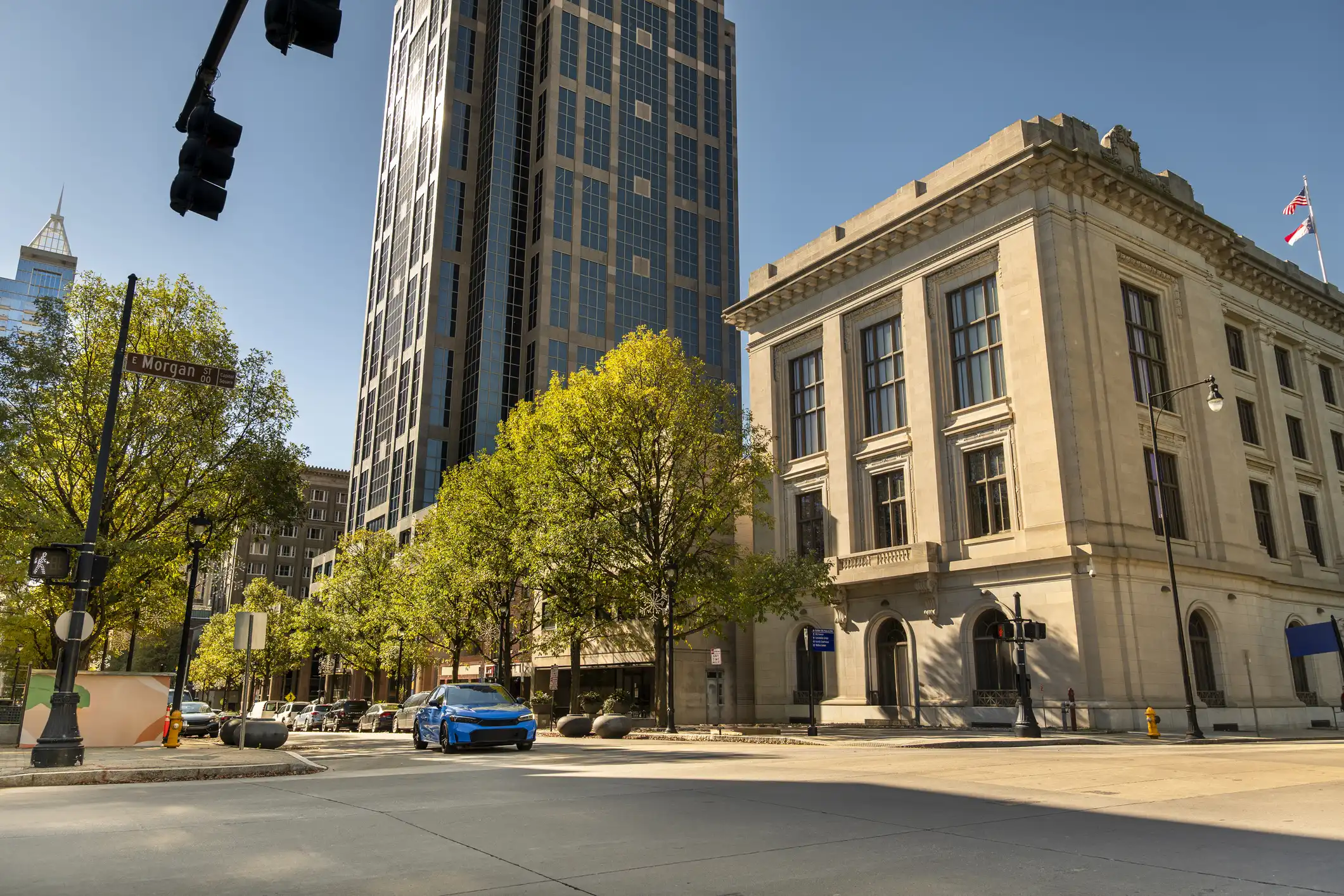
Several versatile neighborhoods successfully attract both young professionals and families by balancing urban convenience with suburban comfort. These areas offer diverse housing options that accommodate different life stages and income levels, creating vibrant communities where various demographics coexist harmoniously. The appeal lies in their ability to provide both career opportunities and family-friendly environments within the same location.
These dual-appeal areas typically feature a mix of historic charm and modern amenities, creating unique neighborhoods that serve multiple lifestyle preferences. The combination of walkable commercial districts and quiet residential streets allows both demographics to find their ideal living situation while sharing community resources and local businesses.
Dual-Appeal Neighborhoods
North Hills stands out as Raleigh’s “Midtown” development, successfully combining urban sophistication with suburban family amenities. This mixed-use area offers high-end apartments and townhouses for young professionals alongside single family homes perfect for families. The neighborhood’s excellent schools, shopping centers, and entertainment venues create a comprehensive lifestyle destination that serves residents of all ages.
Mordecai represents a historic neighborhood that attracts both young professionals seeking character homes and families valuing walkable access to downtown amenities. The area’s tree-lined streets feature charming bungalows and larger historic homes that appeal to different household sizes and budgets. Its proximity to parks and cultural attractions serves both demographics’ recreational needs.
Oakwood preserves its status as a premier historic district with beautifully restored Victorian homes that attract young professionals interested in unique architecture and families seeking established neighborhoods. The area’s walking distance to downtown and abundance of green spaces create an ideal environment for both career-focused individuals and child-rearing families.
Hayes Barton features tree-lined streets with large historic homes that appeal to established professionals and growing families alike. The neighborhood’s reputation for architectural preservation and community involvement attracts residents who value both property investment potential and long-term neighborhood stability.
Central Raleigh serves as the heart of the city, offering museums, parks, and diverse housing options that accommodate various lifestyle preferences. Young professionals appreciate the urban amenities and cultural attractions, while families value the educational opportunities and community resources available in this central location.
Affordability Trends
The stark differences in median home price across Raleigh living areas reflect the varying priorities and budgets of different demographic groups. Young professionals often focus on rental properties or starter condos in central locations, while families typically invest in larger homes in suburban areas with strong schools. Understanding these pricing patterns helps both groups make informed decisions about where to establish roots in the Raleigh area.
Budget-Conscious Options
Southeast Raleigh emerges as a rapidly growing area, attracting both first-time homebuyers and families seeking affordability without sacrificing urban access. The area’s artistic community benefits and ongoing revitalization efforts through the Southeast Raleigh Promise are drawing creative young professionals and diverse families seeking authentic neighborhood character.
Creedmoor offers suburban living and the advantage of lower taxes compared to central Wake county locations. Families appreciate this community’s small-town atmosphere while maintaining reasonable commute access to Raleigh’s employment centers and downtown amenities.
Mordecai provides affordable historic charm, while offering easy access to downtown employment and entertainment districts. Young professionals and starter families both find value in this neighborhood’s combination of character homes and urban proximity.
Bryson Village represents a modern family-friendly choice, featuring contemporary amenities like community pools and playgrounds that justify the investment for growing families. The neighborhood’s planned layout and new construction appeal to families seeking move-in-ready homes with warranties and modern systems.
Premium Neighborhoods
Stonehenge reflects its status as an established luxury community with mature landscaping and larger lots. The neighborhood attracts affluent families and professionals seeking prestige locations with excellent schools and refined southern charm throughout its tree-lined streets.
Six Forks maintains its reputation as a desirable suburban neighborhood. The area’s balance of affordability and quality makes it attractive to upwardly mobile families and established professionals seeking solid investment properties.
Brier Creek features luxury golf course community sections with multimillion-dollar estates available for executives and affluent families prioritizing resort-style amenities. The neighborhood’s diverse price points accommodate various income levels while maintaining its reputation for excellence in schools and community facilities.
North Ridge represents an upscale area centered around country club amenities, featuring homes with Georgian and Colonial Revival architectural styles that appeal to established professionals and affluent retirees. The neighborhood’s exclusivity and mature development create a prestigious address for those prioritizing status and investment potential.
Transportation and Accessibility Factors
Public transportation access significantly influences young professionals’ neighborhood choices, with many prioritizing areas served by current or planned transit routes. The upcoming Bus Rapid Transit system will connect key employment centers with residential areas, making certain neighborhoods more attractive to car-free or car-light lifestyles. Young professionals often choose housing based on walk scores and bike-friendly infrastructure that supports their commuting preferences.
Families typically prioritize highway access and commute convenience to major employment centers like Research Triangle Park and downtown business districts. Their housing decisions often factor in school bus routes, proximity to youth activities, and ease of accessing shopping centers and medical facilities. The balance between suburban tranquility and reasonable commute times drives many family location decisions.
Highway proximity influences both demographics differently: young professionals may avoid traffic-heavy areas in favor of walkable neighborhoods, while families often embrace suburban locations with easy interstate access for work commutes and weekend activities. The ongoing infrastructure improvements throughout wake county continue reshaping accessibility patterns for both groups.
Future transportation projects, including expanded bike lanes and improved public transit, will likely influence migration patterns as environmentally conscious residents seek neighborhoods with sustainable commuting options. Areas with planned transit improvements are already seeing increased interest from young professionals anticipating better connectivity.
Future Development and Emerging Areas
Southeast Raleigh continues gaining momentum through targeted infrastructure improvements and community investment programs that attract both young professionals and families seeking affordable living areas with growth potential. The Southeast Raleigh Promise initiative focuses on improving schools, parks, and community facilities, making the area increasingly attractive to families prioritizing value and educational opportunities.
Emerging neighborhoods throughout the Raleigh area benefit from planned developments that incorporate mixed-use concepts appealing to multiple demographics. New construction in previously underutilized areas creates opportunities for both first-time homebuyers and growing families to establish roots in neighborhoods with modern amenities and community planning.
Infrastructure projects including road improvements, greenway expansions, and utility upgrades influence long-term desirability across various neighborhoods. Areas receiving significant municipal investment often experience increased property values and demographic diversity as improvements make them more accessible and livable for different household types.
Development trends show continued expansion of master-planned communities that balance suburban family appeal with urban-style amenities. These new neighborhoods often feature retail districts, community centers, and recreational facilities that serve multiple age groups while maintaining the safety and school access families prioritize.
There is no single “best” neighborhood for everyone. The right fit depends on your priorities, your daily routine, and what matters most to your lifestyle. The key is identifying the areas that align with your goals and verifying that each specific address supports those needs.
If you would like a curated list of homes tailored to your lifestyle preferences, The Coley Group can build a personalized strategy with you from day one.
FAQ
Which Raleigh neighborhoods have the best schools for families? Brier Creek, Wakefield, and Bryson Village are consistently ranked for top-rated schools and family-friendly amenities. Wakefield specifically earned recognition for excellent educational opportunities, while North Hills and Stonehenge also provide access to highly-rated wake county schools that families prioritize.
Are there affordable options for young professionals near downtown? Yes, the Village District offers affordable planned community living with excellent public transportation access, while Mordecai provides historic charm at just minutes from downtown. Five Points also presents budget-friendly rental options in a walkable, entertainment-rich environment.
What neighborhoods offer good resale value for both demographics? North Hills and Oakwood provide strong resale potential due to their appeal to multiple demographics, excellent amenities, and proximity to both urban conveniences and suburban comfort. These areas maintain steady appreciation due to their versatility and continued infrastructure investment.
How do commute times affect neighborhood choices between groups? Young professionals prioritize walkability and short commutes to downtown, often choosing urban areas despite higher costs. Families frequently accept longer commutes from suburbs like Knightdale and Wakefield in exchange for better schools, larger homes, and family-oriented community amenities.

Social Cookies
Social Cookies are used to enable you to share pages and content you find interesting throughout the website through third-party social networking or other websites (including, potentially for advertising purposes related to social networking).