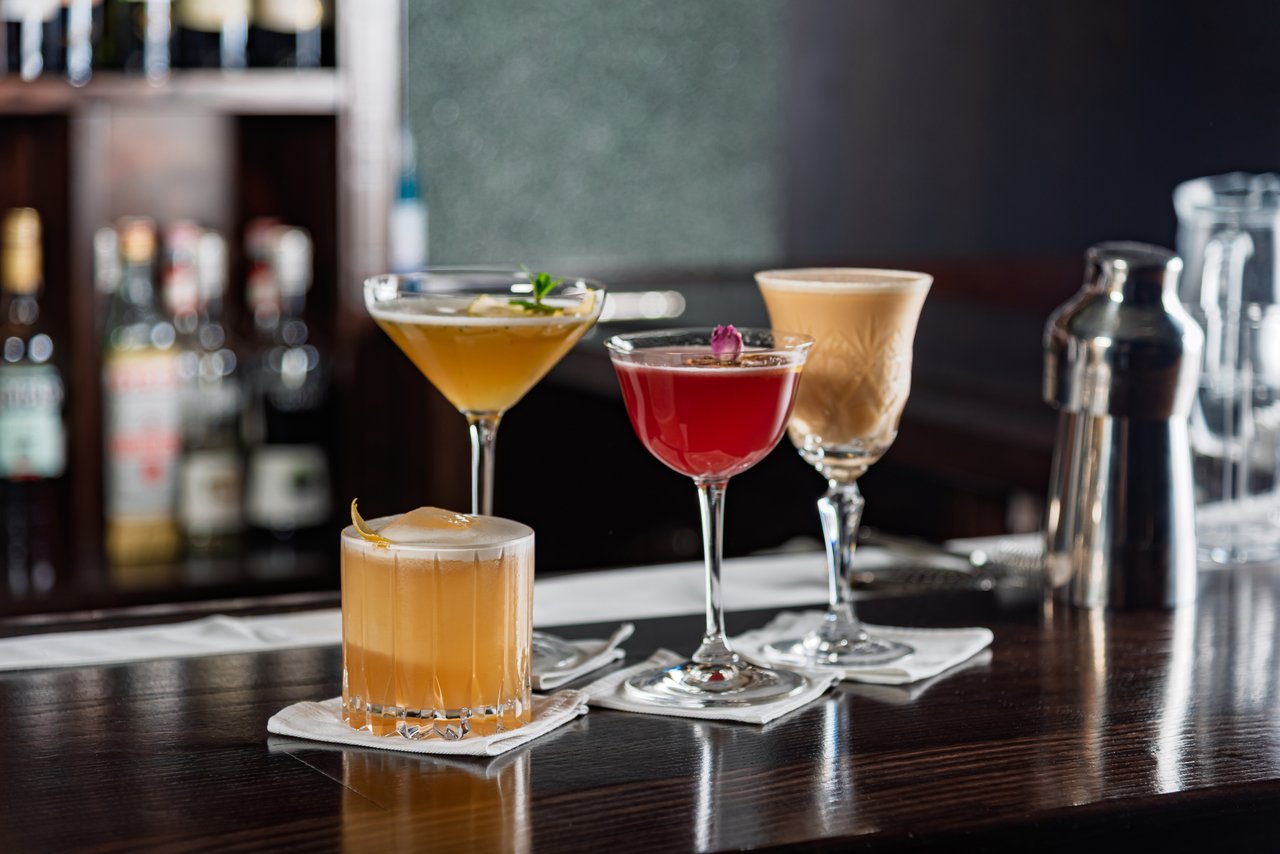
Low Bar Lounge opened on October 15 at 201 W. Martin Street in Downtown Raleigh, occupying the basement space formerly home to IMURJ beneath the well-established Whiskey Kitchen. The project comes from Whiskey Kitchen co-owners Jeff Mickel and Michael Thor, who built it with a clear intention: a low-key, high-character cocktail bar that does not try to be anything it is not. No velvet ropes. No performance. Just a well-made drink in a room worth sitting in.
For people considering a move into the warehouse district or nearby downtown condos, this kind of addition matters more than it might first appear.
What Is Low Bar Lounge?
Low Bar Lounge is a deliberately unpretentious cocktail bar, positioned as the antithesis of the high-concept venues that have defined much of downtown's recent growth. The team behind it already knows the block. Whiskey Kitchen has been a fixture on W. Martin Street for years, and the basement space gives Mickel and Thor a second room to work with, one they have chosen to keep intentionally understated.
The name says it plainly. Low bar. Low pressure. The kind of place that fills in the gap between a loud rooftop bar and staying home.
Why Does a New Bar Matter to Buyers Looking at Downtown Raleigh?
The question is fair. A cocktail bar is not a school or a commute time. But the evening economy of a neighborhood shapes what it feels like to live there, and that feeling is one of the most reliable predictors of long-term value.
Downtown Raleigh has been building its residential case for years. The Village District and Five Points have drawn buyers who want walkability and a real neighborhood identity. The warehouse district, centered around Glenwood South and the W. Martin Street corridor, has been making the same argument to a slightly different buyer: someone who wants the city itself, not just proximity to it.
What makes that argument stronger is density of options. One great bar is a destination. Three or four good ones within walking distance become a reason to live somewhere. Low Bar Lounge adds a note that was missing: the casual, no-occasion spot where you go on a Tuesday because you felt like it, not because you planned a night out.
Buyers who have been watching downtown properties and waiting for the neighborhood to feel complete should pay attention to moments like this one.
What Is the Current State of Downtown Raleigh's Bar and Restaurant Scene?
The corridor around W. Martin Street and Glenwood South has developed steadily over the past several years. Whiskey Kitchen itself is part of that story. The area now holds a range of options across price points and formats, from cocktail-forward spots to live music venues to casual neighborhood restaurants.
What has been harder to find is the middle ground: a bar that is neither a special-occasion destination nor a dive, but something in between. Low Bar Lounge appears to be aiming directly at that space. The basement location, the ownership team's track record, and the stated intention to keep things unpretentious all point in the same direction.
For a more complete picture of what the neighborhood offers day to day, the Best of Raleigh guide to downtown restaurants is worth reading alongside current listings.
Who Is Buying in Downtown Raleigh Right Now?
The buyers most active in Downtown Raleigh tend to be people who have made a deliberate choice to prioritize location over square footage. They are often trading a larger home in Cary, Apex, or North Raleigh for something smaller and more central, or relocating from a city where urban living was the baseline and they are not willing to give it up.
For that buyer, the bar scene is not a footnote. It is part of the calculus. They are asking: can I walk to dinner? Can I meet a friend for a drink without planning it two days in advance? Is there enough going on that this neighborhood has energy without being exhausting?
Low Bar Lounge is a yes to one more of those questions.
If you are weighing downtown against other parts of the Triangle, our Neighborhood Match tool is designed to work through exactly that kind of comparison. Five to seven minutes of questions about how you want to live, matched to specific neighborhoods with a written explanation of why each fits and what the trade-off is.
How Does Downtown Raleigh Compare to Other Walkable Neighborhoods in the Triangle?
Inside the Beltline is the broadest answer to the walkability question in Raleigh, and it holds several distinct neighborhoods with different personalities. Five Points is residential and social, with a strong independent restaurant scene. Hayes Barton is quieter and more established. North Hills and Midtown Raleigh offer a walkable mixed-use environment with a more curated retail and dining corridor.
Downtown proper sits at the center of all of it. The trade-off is density: more noise, more activity, less green space per block. The gain is genuine urban energy, the kind that supports businesses like Low Bar Lounge because the foot traffic is there to sustain them.
Durham and Chapel Hill offer their own versions of this, with distinct characters worth understanding before a buyer commits to a neighborhood they have only researched online. Our post on living Inside Raleigh's Beltline covers the terrain in more detail.
What Should Buyers Know About the Downtown Raleigh Condo Market?
The downtown properties market in Raleigh has matured considerably. Inventory ranges from older converted buildings with character and lower price points to newer construction with full amenity packages. What has changed over the past several years is the consistency of demand.
Buyers who moved downtown early took on more uncertainty. The neighborhood was building its case. That case is substantially made now, and the buyers entering the market today are doing so with more evidence that the investment holds.
One in five homes in Raleigh sells before it ever reaches the public market. That is as true downtown as anywhere else in the city. Our access to off-market and Compass Private Exclusive listings means buyers working with us see inventory that never reaches the MLS, which matters in a market where the best units move before they are listed.
For anyone actively searching, current downtown listings are updated in real time.
What TCG Brings to a Downtown Raleigh Search
We do not take a listing we do not believe in. That same standard applies to the advice we give buyers. If downtown is the right fit, we will tell you why and show you what is available, including what is not publicly listed. If another neighborhood serves you better, we will say so.
Twenty-five years in this market. More than 3,000 homes sold. The number one Compass team in the Triangle four years running, 2022 through 2025. When you hire one of us, you get all of us: showings, negotiation, market knowledge, and access to the Compass network of 37,000 agents nationally.
When you are ready to look seriously at Downtown Raleigh or anywhere else in the Triangle, we are here to walk you through it.
See current downtown listings or schedule a call whenever it works for you.
Frequently Asked Questions About Downtown Raleigh's Bar and Nightlife Scene
What is Low Bar Lounge in Raleigh?
Low Bar Lounge is a cocktail bar that opened October 15 at 201 W. Martin Street in Downtown Raleigh, located in the basement beneath Whiskey Kitchen. It was created by Whiskey Kitchen co-owners Jeff Mickel and Michael Thor as a deliberately low-key, unpretentious alternative to the area's more high-concept venues.
Where is Low Bar Lounge located?
Low Bar Lounge is at 201 W. Martin Street in Downtown Raleigh, in the basement space formerly occupied by IMURJ, directly beneath Whiskey Kitchen. The address puts it in the heart of the warehouse district corridor.
Is Downtown Raleigh a good neighborhood to live in?
Downtown Raleigh offers genuine urban walkability, a growing restaurant and bar scene, and a range of housing options from converted historic buildings to newer condos. It suits buyers who prioritize location and city energy over square footage. The neighborhood has developed steadily and demand has remained consistent.
What bars and restaurants are near W. Martin Street in Raleigh?
The W. Martin Street and Glenwood South corridor holds a range of options, including Whiskey Kitchen, and now Low Bar Lounge, alongside other restaurants and live music venues. For a current and specific guide, the Best of Raleigh downtown restaurant guide is the most detailed resource available.
Does the bar scene affect home values in Downtown Raleigh?
The evening economy of a neighborhood contributes to its livability and demand, both of which influence long-term value. A walkable area with consistent dining and nightlife options attracts buyers who pay a premium for that access, which supports prices over time.
How do I find condos for sale in Downtown Raleigh?
The Coley Group maintains updated listings for downtown Raleigh properties, including homes that sell before reaching the public market through Compass Private Exclusives. You can also schedule a call to speak with an advisor who knows the downtown inventory in detail.
How does Downtown Raleigh compare to North Hills or Five Points?
Downtown Raleigh offers the densest urban environment of the three. North Hills is a walkable mixed-use midtown corridor with a more planned retail character. Five Points is a residential neighborhood with a strong independent dining scene and a quieter pace. The right fit depends on how you want to spend your time day to day, which is exactly what our Neighborhood Match tool is designed to help clarify.
Written by Gretchen Coley
Founder and CEO, The Coley Group at Compass
Gretchen has 25+ years of experience selling homes across the Triangle, specializing in luxury residential, new construction, and executive relocations. She leads a team of advisors across Wake, Durham, and Chatham counties. To connect with Gretchen or a TCG advisor who specializes in this area, call (919) 283-5237 or email [email protected].
Schedule a call with us whenever you are ready.