

From hitting a balanced 4-month housing supply for the first time in over a decade to navigating builder pricing strategies, the Triangle’s November 2025 data tells a story of market normalization, with key insights for buyers and sellers heading into 2026.
This month, we’re breaking down the recent Triangle MLS data with insights from seasoned appraiser Stacy Afensson of the TARR Report and his year-end market analysis.
Let’s unpack what’s really happening in the Triangle.
Inventory: 6x Higher Than 2021, But Still Below Historical Norms
Here’s the headline number: approximately 1,674 listings were on the market at the end of November 2025 across our four main Triangle counties. That’s roughly six times the inventory we had in November 2021.

Sounds dramatic? Here’s the context that matters:
- Total inventory down 35% compared to November 2006
- Resale inventory down 32% compared to November 2006
- We’d need to double current inventory to match levels from 19 years ago
The real estate industry asked for more inventory. The market delivered, but we’re still operating well below historical norms. For sellers, you have more competition than the pandemic frenzy; for buyers, you finally have options.
Housing Supply Hits 4 Months: First Balanced Market Since 2014
This is the biggest story of November: We’ve reached a 4-month housing supply for the first time since November 2014.
That’s over a decade of undersupply finally correcting. This chronic inventory shortage is one of the primary reasons home prices climbed so dramatically, and why achieving balance is significant news for the market.
A balanced market means buyers and sellers are operating on more equal footing. Gone are the days of 30 offers in a weekend and waiving every contingency. But we’re also not in a buyer’s market where sellers must accept lowball offers. This equilibrium creates healthier transactions for everyone.
Price Adjustments: A Sign of Market Health, Not Distress
We’re seeing more sellers adjusting their prices throughout 2025. The national press tends to frame this negatively, but we see it differently.
The data shows clear upward trends from January to November in:
- Percentage of inventory with at least one price drop
- Listings sitting longer than average days on market
- Expired and withdrawn listing rates
Price adjustments indicate a market that’s responding and adapting, not one that’s stuck. A “stuck” market, where sellers refuse to meet reality, doesn’t serve anyone. The willingness to adjust keeps transactions flowing.
New Construction: Where Price Drops Are Most Aggressive

Here are the top five zip codes where new home builders have dropped prices at least once (as of December 16):
- 27703 (Durham): 59% with at least one price drop
- 27529 (Garner): 57%
- 27587 (Wake Forest): 53%
- 27520 (Clayton): 46%
- 27591 (Wendell): 36%
If you’re selling a resale home in these areas, you must understand builder pricing strategies. When builders want to move inventory, they’ll keep dropping prices until they find buyers. Resale sellers who don’t respond will find themselves in the expired/withdrawn zone.
Closings: Down From the Frenzy, But Historically Normal
November 2025 saw approximately 1,932 closed listings across the four main Triangle counties.
- Down 39% compared to November 2021
- Only 4% below the 19-year average going back to 2006
The pandemic numbers were outliers driven by historically low rates. What we’re seeing now is a normalized market, and that’s actually positive news.
Days on Market: Context Over Clickbait
National media loves headlines about homes “taking forever to sell.” The reality?
- Current average: 56 days on market
- 2021 low: 23 days (pandemic frenzy)
- Historical trend line: 70-80 days
- Post-recession highs: 156 days (2011), 131 days (2012)
We’re still below the historical average. This isn’t a crisis, it’s normalization. Homes are selling; they’re just not selling in a weekend anymore.
Price Stability and Affordability
Here’s what the pricing data tells us:
- Average resale price up 75% compared to November 2019
- Only 2% increase compared to November 2023, signaling price stability
- Monthly P&I payments down 8% from November 2023 (thanks to lower rates)
- Monthly P&I still 2x what it was in 2019
Lower mortgage rates this year created real monthly savings for buyers. While affordability remains challenging compared to pre-pandemic levels, we’re seeing price stabilization, directly tied to increased inventory.
Looking Ahead: Key Questions for 2026
One certainty: sellers will sell houses and buyers will buy houses. Beyond that, here’s what we’re watching:
- Will inventory continue its upward trend?
- Will increased inventory produce lower house prices? Builder discounting (5-20% in some areas) will become the comparables.
- Where will mortgage rates land? If you predicted rates last year, you were probably wrong.
- Will we maintain balanced housing supply? Four months is the sweet spot for healthy transactions.
The critical question for new construction: If builders are discounting because they don’t have buyers this year, what makes them think they’ll have buyers at original prices next year? Watch how they replenish inventory.
What This Means for Buyers
You’re in the strongest position we’ve seen in years:
- More inventory means more options
- Builder incentives create savings opportunities
- Lower rates compared to 2023-2024 peaks
- Balanced market means negotiating power
Our advice: Understand the true value of what you’re purchasing. Builder incentives sound great, but make sure you’re not overpaying for the base price.
What This Means for Sellers
Strategic pricing is more crucial than ever:
- New construction incentives force competitive repositioning
- Days on market correlate directly to pricing accuracy
- Getting it right from day one prevents the costly “price drop spiral”
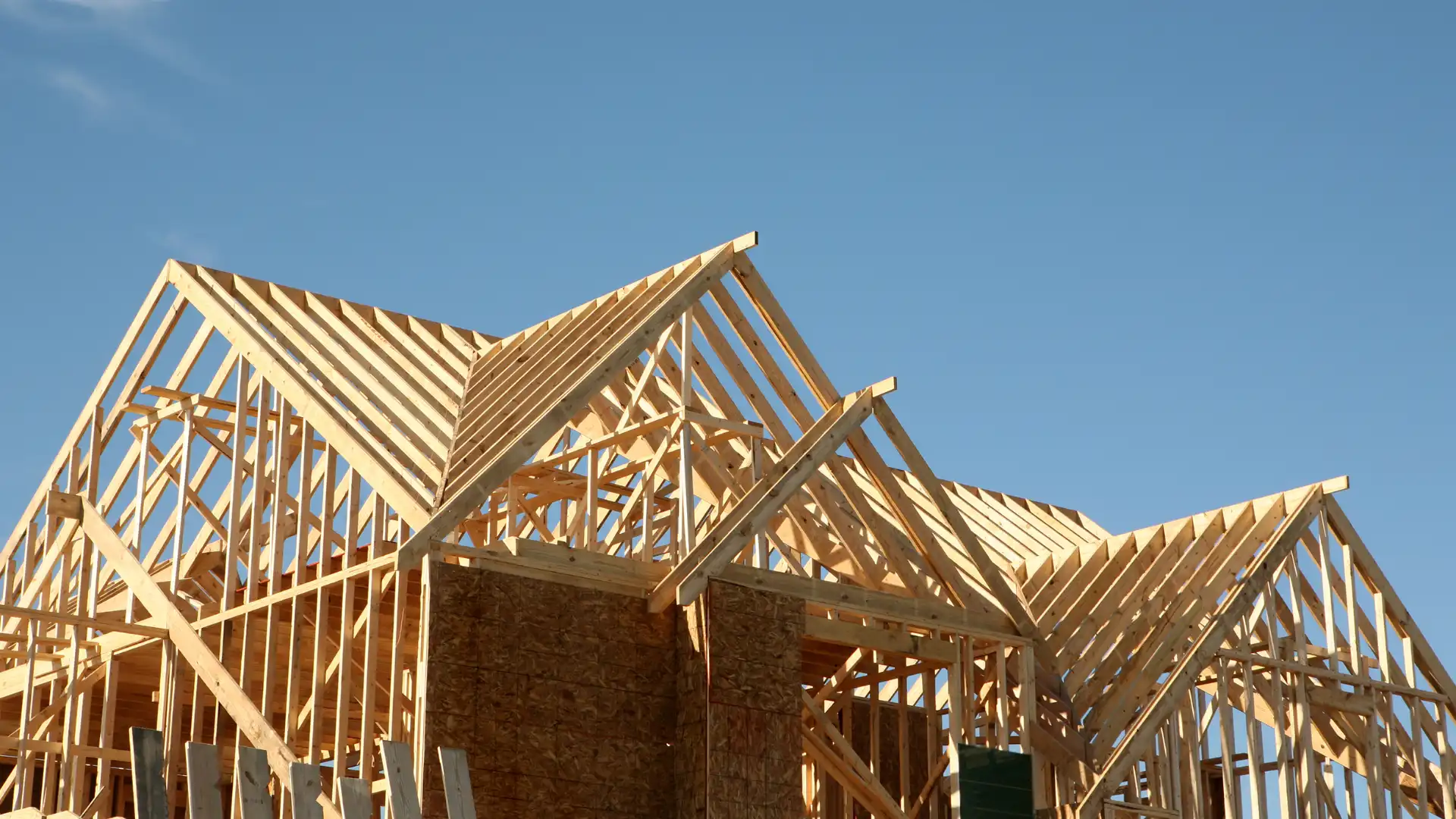
Pro Tip: If you’re selling near new construction communities, especially in Wake Forest, Garner, Durham, Clayton, or Wendell, your pricing strategy must account for builder incentives and quick-move-in discounts.
Final Thoughts: This Is What a Balanced Market Looks Like
The Triangle market is normalizing. While that requires adjustment for anyone used to pandemic-era dynamics, it’s ultimately healthy. We’re seeing reasonable inventory levels, historical days-on-market averages, and market conditions that reward strategy over speculation.
The market is active, but only for homes priced correctly from the start. With more inventory and smarter buyers, successful sales now rely on data-backed strategy and deep local expertise.
Work With Raleigh’s Housing Market Experts
At The Coley Group, we help clients navigate the nuances of the Triangle’s housing market with expert strategy, elevated service, and deep community insight. We’ll help you find the property that aligns with your vision, timing, and investment goals.
Let’s explore your options. Call or text our team at (984) 258-8401 and unlock your next chapter with Raleigh’s most trusted name in real estate.
Find out how much your home is worth. Get a home value estimate to see how much you could sell for and how fast based on key trends happening in your area.
New to the Triangle? Take our quick Neighborhood Match Survey to find out which luxury community fits your lifestyle, plus get a personalized itinerary to help you imagine life there.

Social Cookies
Social Cookies are used to enable you to share pages and content you find interesting throughout the website through third-party social networking or other websites (including, potentially for advertising purposes related to social networking).